


[Research note]
AI-fication of early childhood development

[ Title ]
AI-fication of early childhood development
Understanding the risks of a frictionless world on development
[ Foreword ]
“Patience is bitter, but its fruit is sweet” is an insight that feels increasingly countercultural today. For much of modern life, even the slightest of inconveniences is treated as a problem to be solved or friction to be smoothed over. Technological progress, after all, is often measured by how seamlessly it allows us to accomplish tasks with less effort, time, and uncertainty.
Artificial intelligence represents the latest expression of this trend. Its proponents are quick to point to its potential to improve productivity, expand access to information and simplify everyday tasks. Yet, as AI-mediated systems become more deeply embedded in our lives, we must pause and ask the fundamental question of whether all forms of friction are undesirable.
For children, the answer is almost certainly no.
Much of childhood development is built upon struggles that are necessary rather than avoidable. Learning to speak, for example, requires repeated attempts and mistakes. Building friendships, meanwhile, demands patience, compromise and, on occasion, even disappointment. Viewed this way, cognitive, social and emotional development is built not by avoiding difficulties but by working through them. This process is often slow, imperfect and sometimes, even frustrating. But it is precisely these experiences that help shape the foundations upon which later life depends.
Today, however, children are growing up in an era that has moved beyond mere digitalisation and into what this paper describes as the “AI-fication” of childhood. This describes a situation where AI is no longer confined to standalone applications but is increasingly embedded and operating in the background of products, services and platforms that shape children’s everyday environments. Many of these systems are designed to be frictionless, responsive and highly engaging, often within business models that are optimised to aggressively capture and retain attention.
This paper examines the developmental implications of that shift. It argues that AI-mediated environments risk displacing the productive frictions that support learning, resilience and relationship-building, while simultaneously introducing new forms of disruption into caregiver-child interactions. In doing so, it contributes to an emerging discussion on how societies should govern AI not only as a technological issue, but as a question of human development. As Malaysia advances its AI ambitions, ensuring that children can flourish in this new environment must remain a central consideration rather than an afterthought.
Datuk Prof Dr Mohd Faiz Abdullah
Executive Chairman
[ Executive Summary ]
- Systems and products mediated via artificial intelligence (AI) are ubiquitous and increasingly woven into early childhood lives. Unlike earlier digital devices, AI-mediated systems are not just tools that are one-way and user-dependent but are highly shaping the environment in which children learn, think and grow.
- The term “AI-fication” signifies the influence that this might have on a larger scale and deeper fabric of society, where thinking and relationship might be rewired. In one domain, AI functions as a stand-alone product, while in many others, it already operates in the background of digital devices widely accessible and used today.
- Importantly, AI-mediated models and systems under the larger for-profit attention economy are designed to be highly frictionless and addictive.
- Drawing from learning and developmental science, this policy note serves as the first phase in this project, which synthesises findings through narrative literature review and key informant interviews. Its analysis focuses on the risks of displacement effects by AI-facilitated systems designed to be highly frictionless and addictive.
- From this, the research note advances the paradoxical situations risk occurring in the early childhood environment, one that is both frictionless and friction-heavy. This happens through a dual-pathway model.
- The first pathway where children’s environment is becoming increasingly frictionless is through children’s direct usage, and can be explained through the phenomenon of “digital and algorithmic babysitting”, which is becoming the new normal in the caregiving settings.
- These risks are displacing the productive form of frictions necessary for optimal growth in children’s skill-building process, especially in learning and social relationships.
- Paradoxically, these environments may also become friction-heavy through caregivers’ usage, a phenomenon known as “technoference”, where caregiver-child interactions are unintentionally disrupted by caregivers’ heavy engagement with AI-mediated systems.
- In doing so, AI does not merely displace productive frictions but also introduces a disruptive form of friction, which can undermine children’s socio-emotional development and longer-term well-being.
- Younger children, whose brain’s foundational architecture is formed during this sensitive period and who are heavily dependent on caregivers and adults, risk receiving the least benefit, yet the highest exploitation, if left be.
[ 1. Introduction: From digitalisation to AI-fication ]
Artificial intelligence is increasingly embedded in the environment in which children grow, learn and interact. More than digitalisation, this shift extends beyond the introduction of new tools. “AI-fication”, a concept popularised by the author Huy Nguyen Trieu through his book called The AI-fication of Jobs, showed how AI was not only changing jobs but also the organisation’s overall values, systems and decisions. While AI started as a concept since the mid-20th century that “aims to create intelligent machines that can replicate or exceed human intelligence” (p. 8),1 it has come a long way. From a narrower capability, such as email spam filters, to more general capabilities, such as general-purpose generative AI, the few models and systems developed are now ubiquitous and deeply intertwined in our daily lives. Rather than specifying AI types or domains, this study uses the term “AI-fication” to reflect on the direct and indirect integration of algorithmic and autonomous systems into children’s daily lives, particularly during the early childhood phase. In some cases, AI appears as a distinct product (e.g., AI toys, chatbots). In many others, it already operates in the background, shaping recommendations, interactions and experiences through the devices surrounding children.
This transformation towards AI-fication in early childhood is occurring rapidly and more directly. Insight Ace Analytics projected that the global AI childcare and parenting market value will reach USD41.97 billion by 2035, a nearly seven-times growth in under a decade (22.3% CAGR from 2025).2 In addition, the AI toys market is projected to grow by 3.7 times from 2026 to 2035, five times higher than the overall toy market growth. Within this market, children aged 3 to 8 represent the largest user group. Similar to toys, AI in education is projected to grow by 15.1 times from 2026 to 2035, higher by 12 times than the overall education market. This trajectory suggests that AI is moving from just a tool to a default infrastructure in the early childhood ecosystem.
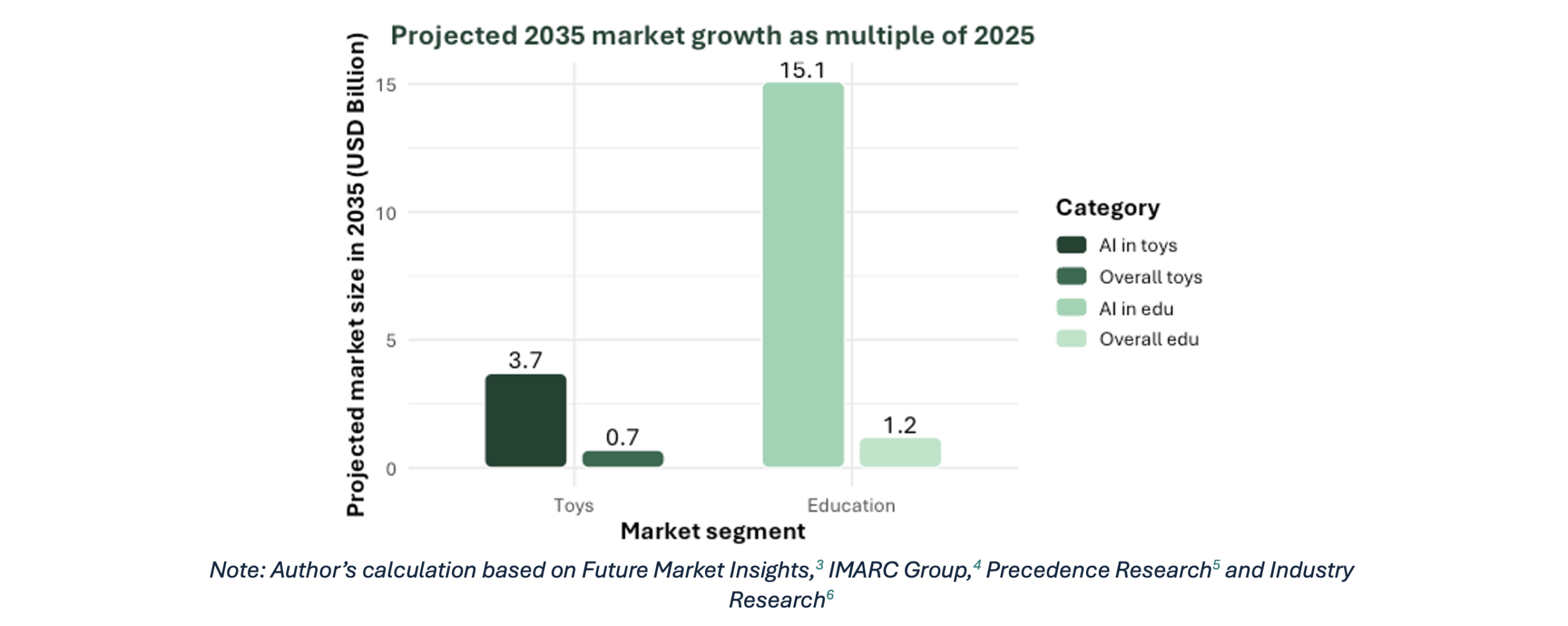
Fig. 1. Projected rapid growth of AI-related products compared to its market segments
When compared with some other prominent AI markets, the growth of the childhood AI market is significantly dominating, as shown in Fig. 2.
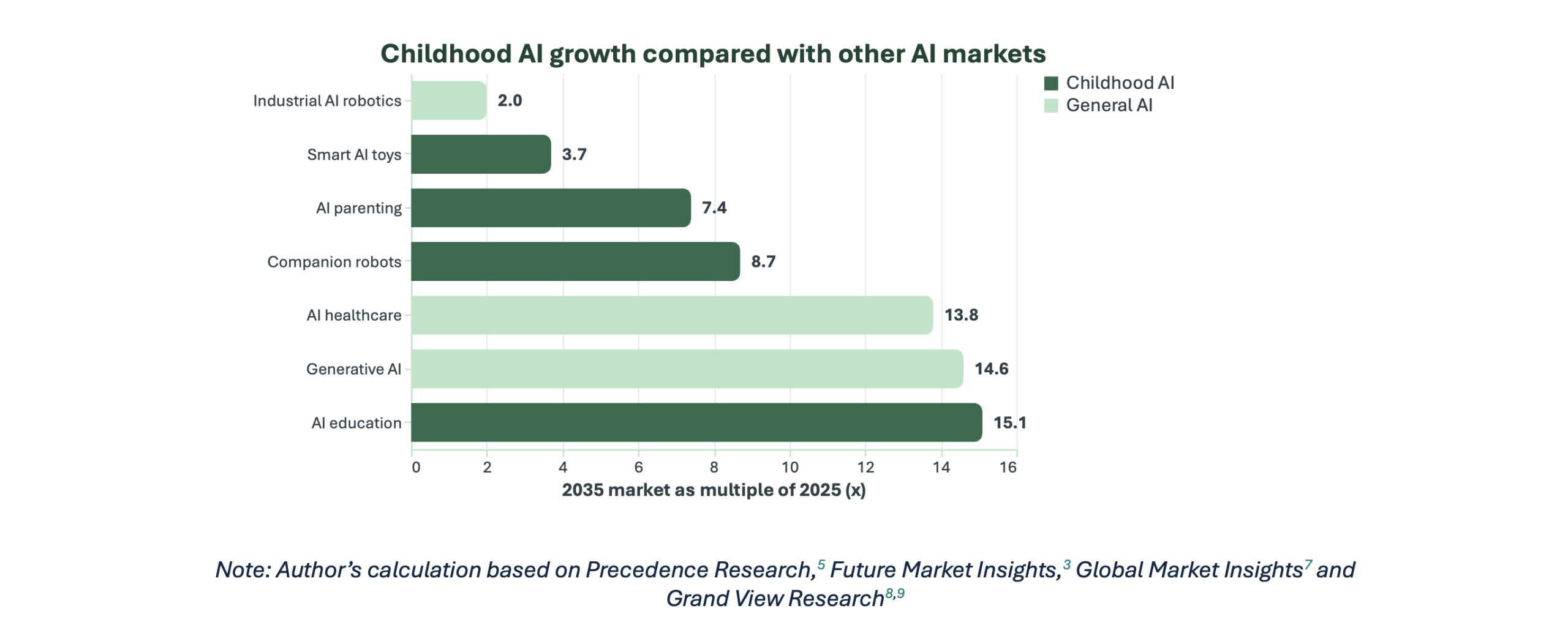
Fig. 2. Projected rapid growth of AI products in early childhood care and education market
Emerging expert reports, including the congressional testimony by American Psychological Association’s Chief of Psychology Michael Prinstein,10 suggest that AI should be understood not only as a technological development but also as a public health and human development issue, given its scale and direct influence on physical, socio-emotional and executive functioning. Unlike earlier forms of digital media, which are largely static or delivered as user-selected content, AI-mediated systems in the current landscape operate within a for-profit attention economy, designed to maximise user engagement and retention. Through continuous personalisation, infinite scroll and seamless autoplay, AI-powered applications increasingly shape how users attend, interact and disengage.
Increased discussions surrounding problematic social media use and related behavioural concerns signal how serious the problems are cropping up in society. A large body of research illuminates that such design dysregulates reward processing, encourages dependency and reduces users’ ability to disengage intentionally.11 However, beyond concerns surrounding addictive or manipulative design, there is also an increasing need to understand how AI-mediated environments may unintentionally alter effortful and reciprocal interactions that early childhood development depends on.
These concerns are likely to be even more pronounced among younger children, whose foundational brain architecture is still at a nascent stage. While AI-enabled systems may offer certain developmental benefits when designed appropriately, designs for efficiency, responsiveness and seamless interaction could reduce children’s exposure to developmentally important experiences, such as effortful learning, delayed gratification and human reciprocity. Without appropriate safeguards, children are at risk of receiving the least benefit from these advancements, while bearing the highest risk of exploitation.
Drawing from developmental science, this research note explores one broad question: how would AI-fication influence early childhood development? As AI is highly penetrating and mainstreamed in toys, education and household settings, it could profoundly reshape children’s interaction with the world. The research note then advances a central argument that AI-fication could create a paradoxical environment in children’s lives. On one hand, it can have too little frictions, while on the other, it can be loaded with frictions. None of these extremes would be optimal for healthy development.
[ 2. Early childhood: A uniquely sensitive period ]
Early childhood presents a uniquely sensitive developmental period, with around 90% of brain size development occurring by age 5 or 6. During the first few years of life, neural connections are formed at the extraordinary rate of one million new connections per second.12 Those connections have been provided through human interactions.13 Foundational capacities, such as attention, self-regulation and social skills, are shaped through repeated interactions with caregivers and other humans, where children learn through co-regulation, emotional attunement and social feedback.14
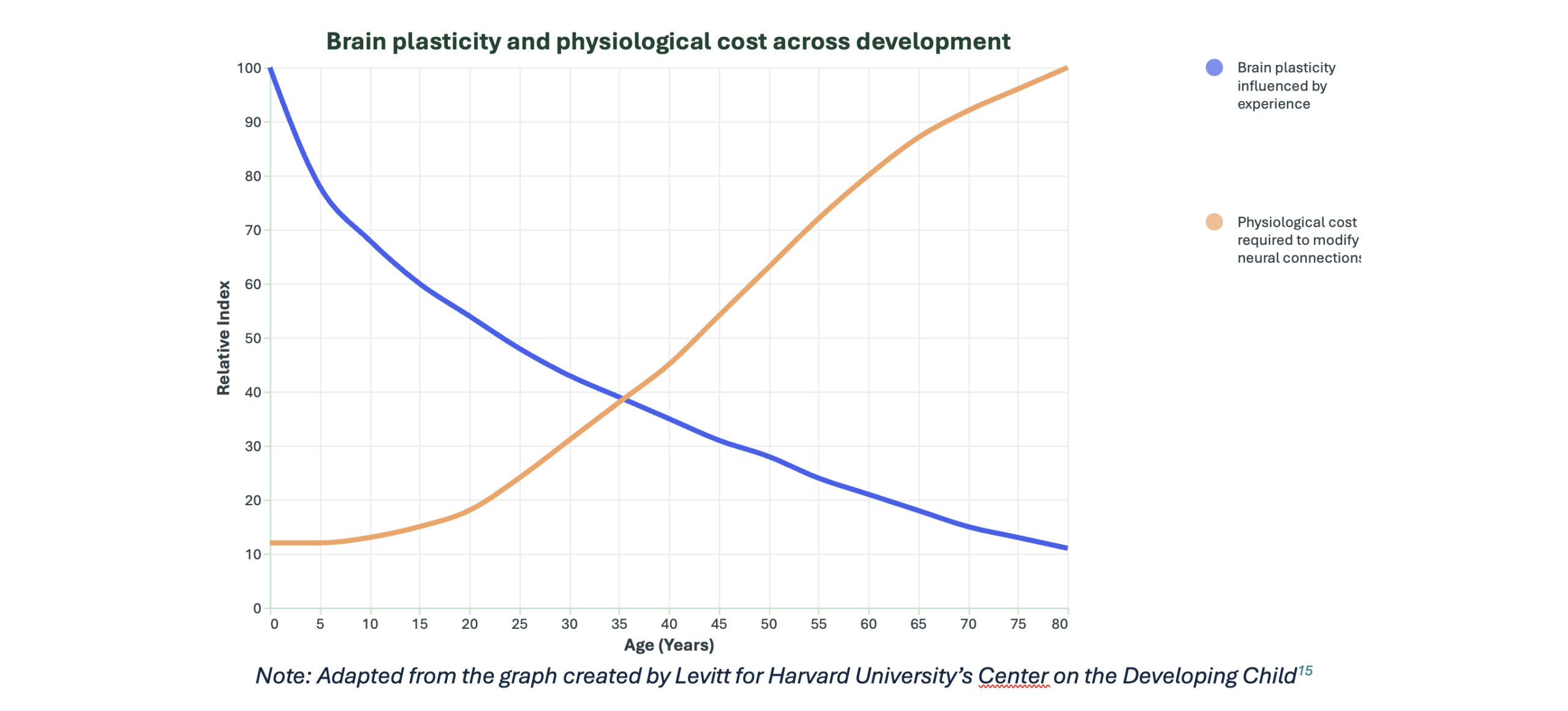
Fig. 3. Reduction of brain plasticity and increase in cost to modify over time
The stakes become clearer when we consider the mismatch between evidence and investment during this phase. Despite well-established long-term returns, public spending on early childhood remains disproportionately low (Fig. 4).16 One landmark study worth mentioning is the Perry Preschool Project, which demonstrated how quality care and education provided to a control group during early childhood led to a higher employment rate, higher earnings, better health and fewer crimes, with positive spillover effects on their children.17 This is in contrast to the control group, showing how an oversight of intervention during this stage can lead to long-lasting implications. Malaysia’s investment in pre-school was also significantly lower than the OECD’s average and other educational levels (Fig. 5).
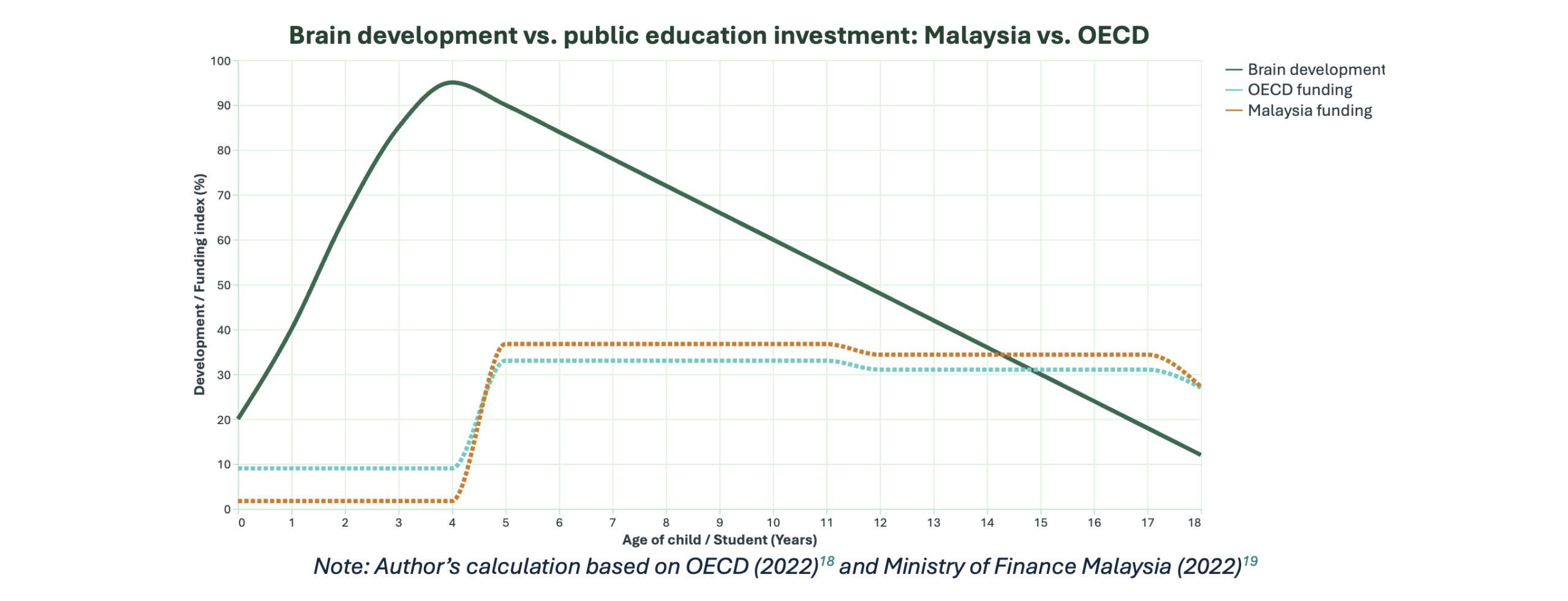
Fig. 4. Mismatch between stages of brain developmental growth (with high returns during its peak) and public education investments
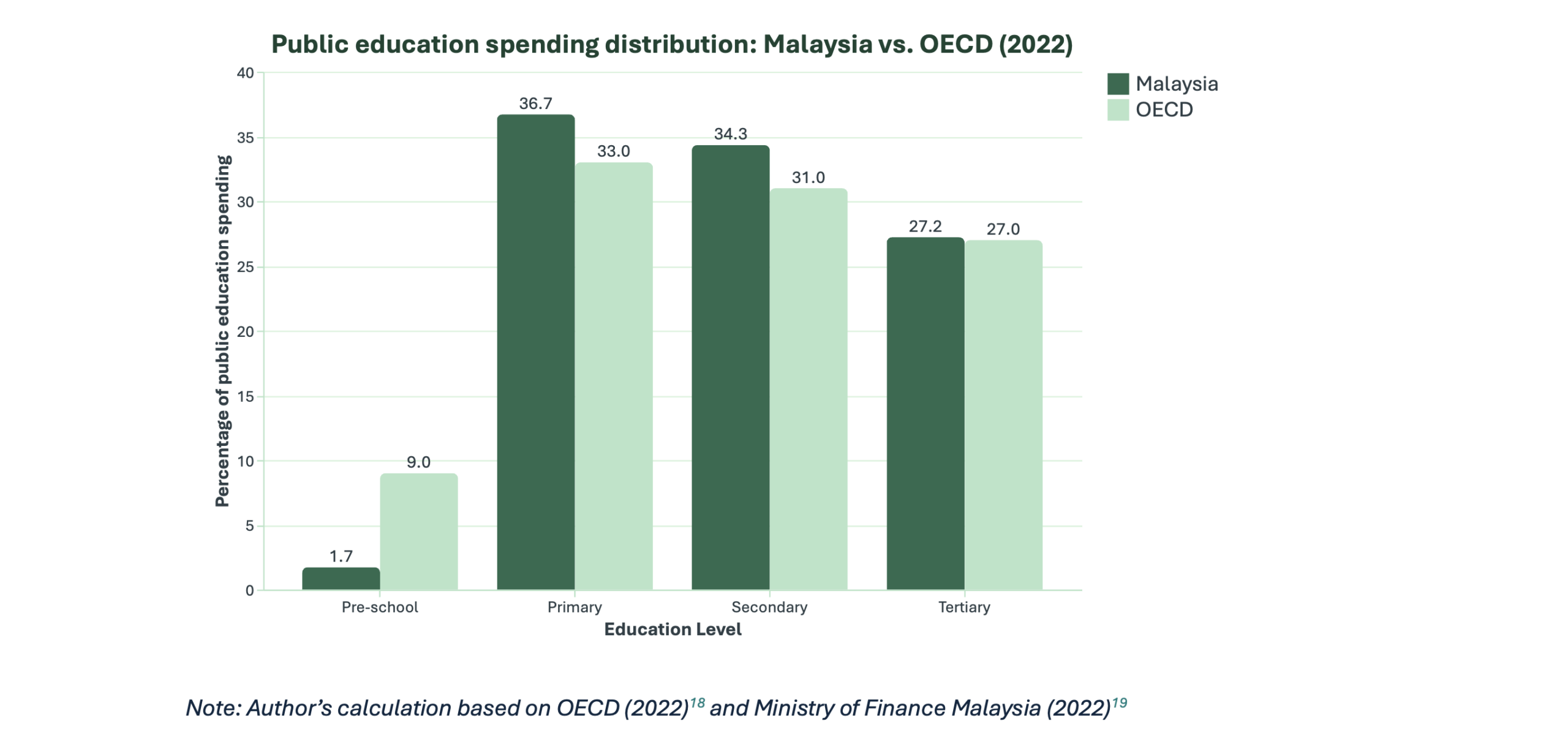
Fig. 5. Malaysia’s disproportionately low spending in pre-school compared with OECD average and other educational levels
Furthermore, while broader studies related to AI are gaining traction, more specific research focusing on early childhood remains understudied. For example, a search in Google Scholar from 2022 to the present for AI systematic reviews related to early childhood — e.g., Su & Yang (2022),20 Durrani et al. (2024),21 Solichah and Shofiah (2024)22 — showed a lower number of studies reviewed, which was in the range of 10–17, in contrast to the Google Scholar search from 2023 to the present for AI systematic reviews related to higher education — e.g., Ansari et al. (2024),23 Castillo-Martinez et al. (2024),24 Jaboob et al. (2025)25 — which showed the number of studies reviewed in the range of 33–85.
[ 3. What makes AI different under the attention economy ]
While concerns about screen use are not new, AI introduces a number of different dynamics. First, much of what users see is not readily noticeable. Children are exposed to recommendation systems, behavioural optimisation and data-driven personalisation without awareness or meaningful consent. The advanced Large Language Models (LLMs) in generative AI today pose unprecedented risks, as they introduce relational aspects in children’s development. The LLMs move technology from just being a tool to a machine that children may form an emotional attachment with and risk being overly dependent on. These systems currently operate with low barriers to access and have minimal punitive consequences due to lagging regulatory frameworks.
Second, these AI systems are embedded in the commercial models of the attention economy (also known as the yellow economy), which “treats human attention as a scarce commodity” (p. 1).26 While the supply of information is abundant, the demand for information is limited by the scarce attention that humans can give. This incentivises technology companies to purposely design products with algorithms and features to maximise engagement, time spent and interaction intensity. AI that is widely accessible today are designed to be highly frictionless and addictive in order to capture users’ attention and data. Various metrics, such as clicks, views and likes, are used to monetise attention. It becomes a race to the bottom, as companies compete over design that can hook their users the most, prioritising engagement over well-being. This competition could lead to negative externalities through the potential risks of degraded attention and diminished social and mental well-being.
Third, AI-driven systems actively collect, store and analyse children’s data, which raises questions on data privacy, ownership and consent. A 2025 investigation by the US Public Interest Research Group (PIRG) Education Fund27 found that talking AI toys in the current market are trained on the same model for adult usage. There are also no binding product safety standards that manufacturers need to comply with before releasing AI toys to the market.
This convergence suggests broader shifts in which AI is becoming embedded in early childhood environments, rather than existing as a separate tool. Existing developmental research on electronic media use, including a longitudinal study by Gath et al. (2026),28 found a strong correlation of total screen exposure during early childhood with lower levels of language development (vocabulary and communications), educational ability (writing, numeracy and letter fluency) and higher levels of peer problems at age 4.5 and 8 years old. While there are nuances in specific mechanisms of developmental outcomes, AI-driven systems designed to be frictionless and addictive are likely to amplify children’s trajectories through the displacement effects, described in the next section.
[ 4. Displacement effects ]
A substantial body of research has collectively agreed that displacement effects are one of the key mechanisms of harm from digital media use in early childhood. Displacement occurs when digital engagement replaces developmentally essential activities, such as caregiver interaction, sensory exploration and unstructured play. Its effects reconfigure the environment and activities that children are exposed to, leading to several unintended outcomes due to the displaced activities. To this end, most of the existing and widely used AI models and systems in young children’s environments are designed to be highly frictionless and addictive.
However, “friction” in developmental terms is not inherently detrimental. Certain forms of effort, delay and imperfection are essential for healthy growth. For example, struggling with a puzzle encourages problem-solving, and taking turns with friends builds social intelligence. Drawing from developmental psychology and learning science, this paper refers to these experiences as productive frictions — the effortful processes of trial-and-error, waiting, miscommunication and repair — which underpin cognitive and socio-emotional development. These dynamics are reflected in various concepts, such as “desirable difficulties” in learning29and “serve-and-return” interactions in early childhood development14, where struggles and efforts, as well as imperfect but responsive exchanges between caregivers and children, build cognitive and relational capacities.
AI-mediated systems designed for seamlessness, instant responsiveness and retention maximisation may reduce exposure to these experiences. In this sense, frictionless environments could remove forms of developmental efforts necessary for optimal growth. This is because learning quality is dependent on the following: (1) curiosity and interest, (2) initiative, (3) persistence and attention, (4) imagination and creativity and (5) reflection and explanations. When AI consistently provides a perfect answer with just a voice or a click away, it may actively remove the necessary frictions required for learning and relational skills. The visual in Fig. 6 illustrates how AI may displace the productive frictions required for optimal growth.
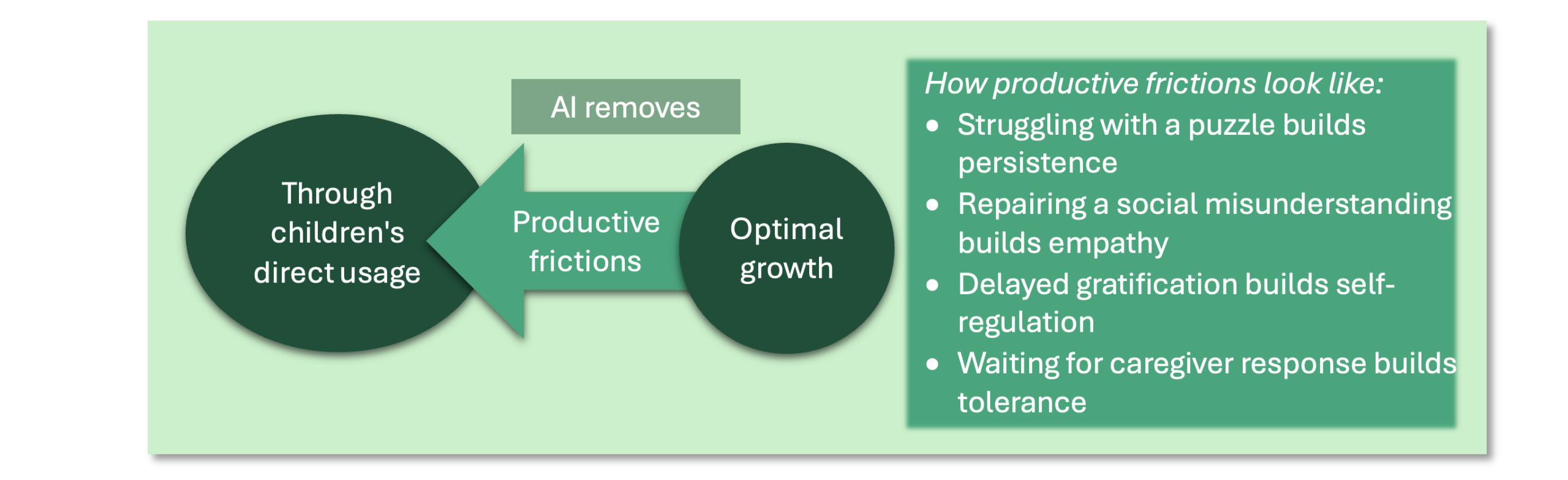
Fig. 6. Author’s synthesis of how children’s direct usage of frictionless and addictive AI-driven systems may remove productive frictions required for their optimal growth
[ 5. Frictionless world through children’s direct usage ]
The systematic removal of productive frictions from children’s environments can occur through children’s direct usage. This is a phenomenon called “digital babysitting”, wherein caregivers utilise digital devices to occupy, pacify and entertain children for extended periods. Statistically, children are exposed to digital devices at increasingly younger ages, routinely exceeding the classic baseline time limit established by public health bodies (traditionally defined as zero non-interactive screen use for infants under 18 to 24 months, and a strict daily limit of one to two hours for young children).
With AI and algorithms behind these devices, this phenomenon is rapidly moving from “digital babysitting” to “algorithmic babysitting”, a transition from television to video streaming applications to the increasing features of short videos. While data on explicit AI usage are currently limited, historical data of screen time functions as a baseline upon which AI is now superimposing more hyper-personalised and frictionless loops.
While public health frameworks have progressively transitioned away from rigid time-based limits, as exemplified by the American Academy of Paediatrics’ revised guidelines,11 empirical research studies rely on these time limits to quantify overexposure. Empirical realities demonstrate that these baseline thresholds are heavily bypassed.
- In Malaysia, evidence suggests that this practice is widespread rather than exceptional. The 2016 nationally representative data indicate that over half of children under age 5 exceeded recommended screen time limits of two hours, with the rate reaching 74% among those under age 2.31 A 2021 study revealed 51.6% of Peninsular Malaysia children began independent device use before age 4.
- In the United States, a 2025 census by Common Sense Media showed that children aged 0–8 averaged 2.5 hours of daily screen time, rising to 3.5 hours for those aged 5–8. Device ownership has similarly scaled downward. By age 2, four in 10 children possess their own tablet, while five in 10 children own a digital device by age 4.32
As device exposure, interactive complexity and personal ownership increase at a younger age, questions arise on how these will impact young children’s development, which is inherently formed through productive frictions with the analogue world around them. This study identified two main domains where removal of productive frictions may impact developmental trajectories: (1) learning and (2) social relationship.
5.1 On frictionless learning and attention crisis
As articulated in a 2026 analysis, “AI’s greatest strength — removing friction from work and relationships — is also a liability. Prioritizing outcome over process, it eliminates desirable difficulties that drive growth” (p. 1).33 In the early childhood context, frictionless environments could systematically undermine the struggle required for optimal cognitive development.
While there is a range of outcomes associated with digital device usage, a closer examination suggests that attention functions as the critical entry point through which broader harms to early childhood development propagate. Attention is the first step of the learning process.34 It is a limited mental resource that determines what to focus on, what to ignore and what will be further processed. Attention development during early childhood functions as the critical staging ground for a vast matrix of interconnected networks across overall development that anchors emotional regulation, memory encoding, reasoning and decision-making skills.
It is also a concept well-researched in several disciplines, including neurophysiology, neuropsychology, economics35 and AI architecture.36 The cognitive psychology discipline categorises attention into four types: (1) sustained attention, (2) selective attention, (3) orienting of attention and (4) executive attention. Attention involves two main processes: top-down (also known as the endogenous system), which requires the prefrontal cortex to direct attention, and bottom-up (also known as the exogenous system), which is involuntary attention given to other stimuli around. Attention is also affected by two main neurotransmitters, which are dopamine and norepinephrine.
The development goal for attention during these formative years is to grow a child’s ability from purely reactive and stimulus-driven reflex into a controlled and goal-directed cognitive tool. In an unmediated environment, this transition involves active practice and cognitive effort.35 They are skills to be built, not given. This study categorises three mechanisms by which AI-fication may disrupt attention, leading to other developmental challenges, as described next.
1) Shallow attention depth through cognitive overload and cognitive outsourcing
Children’s brain activity develops by giving attention to hands-on experiences and trial-and-error. There are two pathways where AI, as it is currently designed to be highly frictionless, may impact learning: (1) cognitive overload and (2) cognitive outsourcing.
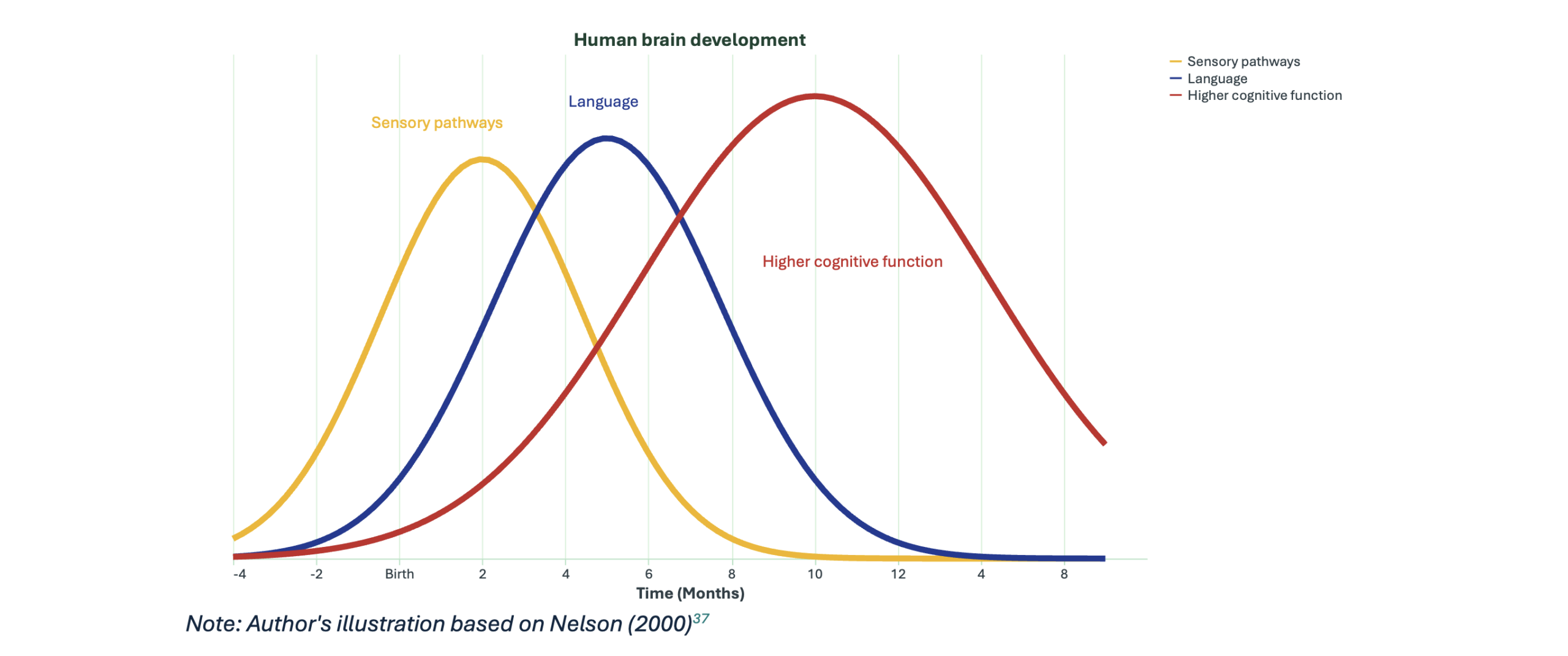
Fig. 7. Children’s hierarchical brain development emphasising on optimal multi-sensory growth
A child’s brain develops hierarchically, starting from sensory pathways before moving to language and later to higher cognitive functions (Fig. 7). Executive functioning skills, such as top-down attention, do not emerge spontaneously and rather are dependent on sensory exploration with multiple senses, mainly through the analogue world and physical human interactions. For example, during the first two years of life, infants explore the world through their mouth. Many later skills, such as speaking and emotional regulation, are linked to physical development (such as jaw strengthening) and emotional development (such as self-soothing) occurring through this mouthing period.
AI that is designed without frictions, and algorithms shaping most of what children consume online, such as YouTube, features an overwhelming visual and auditory stimuli. Young children, especially infants, struggle to process 2D and fast-paced scene changes. This can cause their sensory system to overload and may harm their cognitive trajectories, as the way infants process sensory information during this stage creates the foundation for their attention.38
For older children, a frictionless world of information can overtax their working memory. This can be explained by several theories, such as the theory of information processing and cognitive load.39 Information overload can prevent children who are novice learners from properly forming their mental schema before forming new ones.40 Children require pacing and can only absorb and process limited information at a time, as learning is the process of filtering, selecting, organising and integrating information based upon prior knowledge. Frictionless access can reduce their ability to make an in-depth judgment on existing information. Additionally, children may yet have the ability to analyse information’s reliability, taking information from AI at face value without being taught about fact-checking, identifying errors and building necessary nuances.
Over time, children may encounter issues, such as a poorer ability to form their own mental schema, articulate their reasoning and remember key facts. In this dynamic, frictionless AI actively removes desirable difficulties, which allow children to process sensory information to make meaning and strengthen memory consolidation. This also nudges them to develop surface-level processing habits rather than deep understanding.29
In addition, when young children use frictionless AI voice assistants or tutors to solve problems or recall information, they are incentivised to frequently engage in cognitive outsourcing. With AI, traditional cognitive offloading, which is the use of external tools to reduce mental effort in tasks, can quickly become cognitive outsourcing.41,42 Cognitive outsourcing is “the deliberate transfer of a function that would normally be performed internally to an external agent that performs it instead” (para. 8).43 While adults engage in cognitive offloading for the efficiency of skills they have already developed, children are put at risk, as cognitive offloading that can easily become outsourcing displaces their opportunity to build the foundational skills required when they let AI lead the learning. Attention is the gatekeeper for memory. By bypassing the struggle of active recall or problem solving, working memory remains weak. This develops a low threshold for cognitive effort and displaces processes required for long-term memory formation and critical thinking skills. Educational giants, such as the Swiss psychologist Jean Piaget and the American psychologist John Dewey, emphasised the importance of active engagement, critical reflection and social interaction, which are central to quality learning. Another concern also revolved around children’s habit formation, as it has been highlighted that the habit of relying on AI for answers can be difficult to reverse.44
2) Impaired attention selectivity, decision-making and anxiety
Attention acts as the brain’s primary sensory filter, separating relevant signals from environmental noise. Hyper-engaging digital environments use persuasive design to override a child’s internal filtration mechanisms. The deployment of rapid visual shifts and sensory triggers artificially activates the brain’s exogenous (reactive) attention system. Because a child’s endogenous (voluntary, self-directed) attention network is still fragile and developing in the prefrontal cortex,45 the algorithm forces attention from outside in. This eliminates the internal struggle required to build independent attentional control,46 which may lead to poorer information-processing and decision-making skills.
Longitudinal studies from Singapore’s Growing Up in Singapore Towards Healthy Outcome cohort demonstrate the risk of this.47 For example, the 2023 study using electroencephalography (EEG) tracked infants who had high screen exposure at 12 months.47 These infants showed an abnormal increase in low-frequency brain waves (a high theta/beta ratio) in the frontocentral regions. In neurobiology, an elevated theta/beta ratio is a primary indicator of alertness deficits. The infants’ brains were potentially forced to exhaust their processing power on hyper-stimulating sensory inputs, the prefrontal cortex was left under-stimulated. When evaluated years later at age 9, these children exhibited deficits in sustained attention, impulse control and task persistence.
The follow-up 2025 data48 from the same cohort used diffusion MRI to track physical brain architecture. Infants with a high screen exposure directly showed overmaturation of the visual-cognitive control network at ages between 4.5 and 7.5. The physical neural pathways that children need to actively filter out distractions may be underutilised and pruned away faster than the usual rate. The high screen exposure correlates with poorer decision-making skills and higher anxiety symptoms at later stages.
3) Disrupted attention regulation and dopamine dysregulation
Dopamine, the neurotransmitter responsible for reward expectation, is highly involved in sustaining attention in learning. The reward prediction error model by the University of Cambridge’s neuroscience professor Wolfram Schultz, who discovered the neurophysiological dopamine reward signal, establishes the following: (1) dopamine fires when a reward exceeds expectation (positive prediction error), (2) it remains neutral when reward meets expectation and (3) it is suppressed when an expected reward fails to arrive (negative prediction error).49 This explains how infants learn cause and effect, build persistence and develop intrinsic motivation. In a natural learning sequence, effort precedes reward. The struggle generates anticipatory dopamine, and the moment of discovery produces a spike that encodes effort-reward association into memory.
Frictionless AI disrupts this in two distinct ways, each operating through different neurochemical mechanisms but converging on the same developmental consequences.
The first operates through habituation. When information is instantly available, the instant answer becomes the expectation, and expected rewards produce no meaningful dopamine signal.49 Over repeated exposure, a child’s reward system recalibrates to expect effortless gratification, making effortful and slow-reward learning registered as negative prediction error, as the reward arrives later and with more difficulty than anticipated. The outcome feels like a loss rather than a gain. This may disincentivise effort-reward association, as the anticipatory dopamine that drives curiosity and exploration is not actively utilised, since AI resolves most of the uncertainty before the child’s own seeking-process engages.
The second mechanism operates through variable ratio reinforcement, where, unlike frictionless learning, variable reward schedules produce genuine dopamine spikes precisely because unpredictability rewards regularly exceed expectation.49 Personalised recommendation, infinite scroll and unpredictable content condition the dopamine system to expect new stimulation every few seconds, functioning the same way as slot machines. Critically, dopamine drives wanting, not liking.50 Children are therefore compelled to keep seeking stimulation even without genuine satisfaction, as the wanting persists beyond any real reward.
When stimulation stops under these conditions, the abrupt withdrawal of dopaminergic input may trigger a cortisol stress response in young children, causing dysregulation. Prolonged exposure shifts the neurochemical baseline and bifurcates the attention system. The executive attention network, which is slow-developing, is starved of activation. On the other hand, the reactive and stimulus-driven network is chronically over-stimulated. Children habituated to this pattern are progressively less equipped to sustain attention in high-latency real-world settings, such as classrooms and unstructured play, where effort is required and feedback could be slow.50 This may impair persistence building, the capacity for emotional self-regulation and the ability to sustain focus without external digital stimulation to maintain the affected neurochemical baseline.
5.2 On frictionless social relationships
Foundational to cognitive development are the socio-emotional domains. This is because the human brain grows from the back to the front, from the seat of emotion and sensory grounding to the seat of logic. Missing the fundamental neural pathways development to the frontal cortex during this stage is likely to make the pathway harder to develop later, as brain plasticity declines.
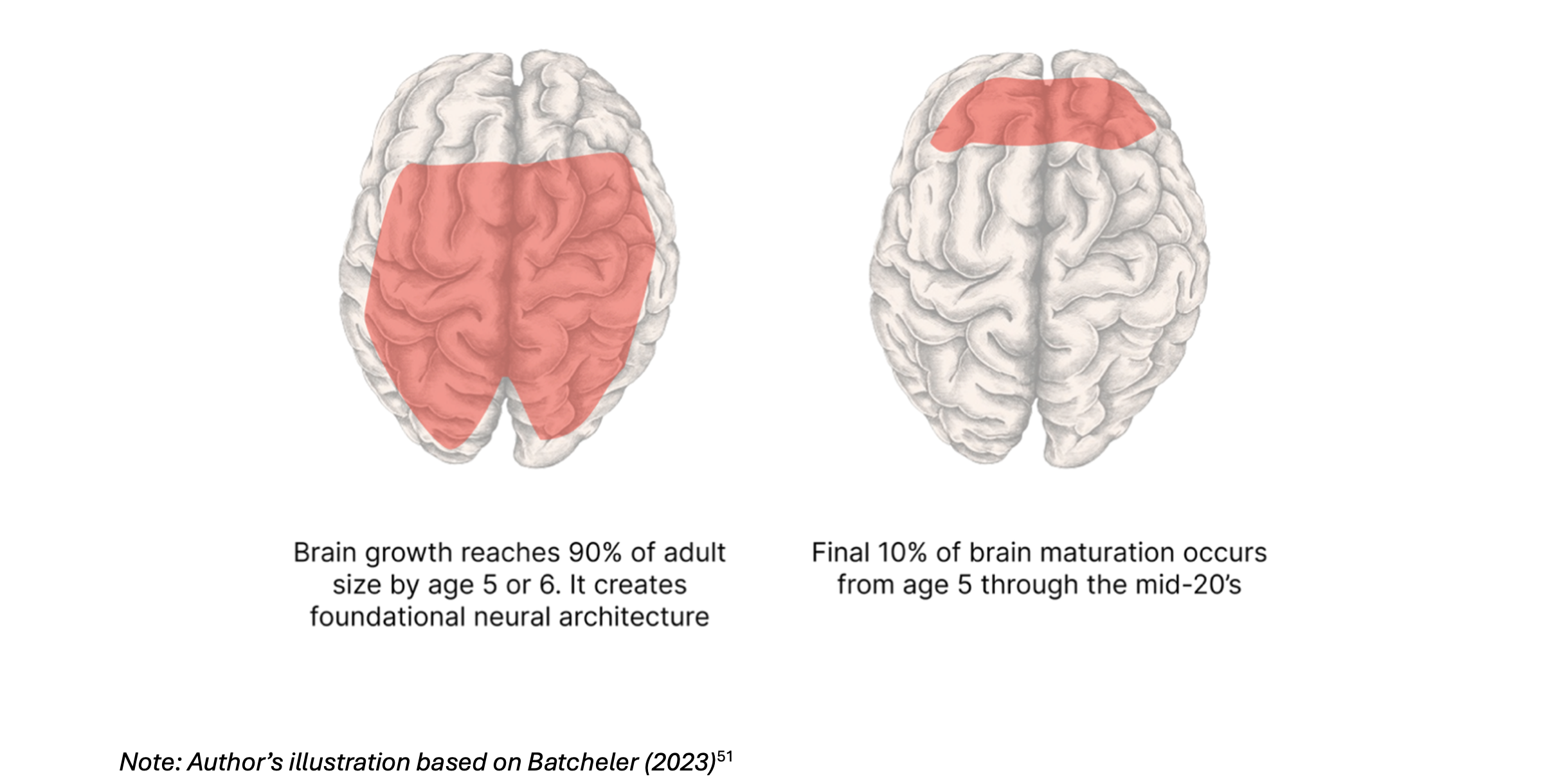
Fig. 8. Significance of socio-emotional development during early childhood as brain grows from back to front regions
1) Undeveloped interpersonal skills
AI technology that aims to build a seamless and offers an omnipresent interaction with children may actively remove social frictions from caregivers’ humanly limited skills and abilities. It also can provide answers that caregivers don’t know about and reply to children in a way that is constantly pleasing. Studies have shown how AI chatbots are designed to be frictionless and addictive through anthropomorphic (exhibition of human-like traits, such as expressing feelings)52 and sycophantic (always validating, agreeing and flattering) features, which may entice children’s usage.53 However, even frictions in social relationships can be beneficial to children’s development.
The American developmental psychologist Edward Tronick showed this through his match-mismatch-repair theory, in part derived from the “Still Face” experiment he and his colleagues designed.54 The concept demonstrates an understanding of how misattunement and repair can build developmental capacity to navigate actual relationships, which are inherently imperfect. In the experiment, an infant and a mother interact, building the infant’s model construct and meaning of the world.55 When the mother becomes still, the infant attempts to re-engage with the mother by smiling, vocalising and pointing out a finger as per prior interaction. The mother’s unresponsiveness results in the infant showing distress, but when the mother reconnects, the infant recovers. This cycle of mismatch and repair is inherent in human relationships, and the concept suggests that human imperfections build infants’ capacity to tolerate frustration, regulate emotion and trust relationships.
In addition, studies have shown how relational AI with these features has led users to be overly dependent on it, misplacing emotional attachment and reducing users’ prosocial behaviour.53 It also makes human interactions less interesting56 and risks crowding out friendships in actual settings.33 If grown-ups in the studies face such effects, the risks can be much higher with children, who require social frictions to form foundational skills in emotional regulation and capacity, let alone social relationship skills.
2) Unrealistic expectations
AI-mediated systems, which are designed to always be accurate, always be patient and always be consistent, actively remove this repair cycle. Children interacting primarily with AI may not experience relational mismatch and repair, meaning that they do not develop the internal neural architecture for navigating actual social relationships. A 2026 study by The Economy Research and the Swiss Institute of Artificial Intelligence noted that when children practice emotional expression with entities incapable of being hurt, departing, or demanding reciprocity, acquired skills may not transfer to human contexts.57 This creates individuals with “social confidence within synthetic environments but social fragility within real-life interactions” (para 7). They may not be able to navigate awkward conversations or build skills for conflict resolutions or, worse, mistake their interaction with AI as an actual human relationship and put unrealistic expectations on other people in their social environment.
Prinstein’s congressional testimony in 2025 warned that “toddlers are unlikely to recognise that AI chatbots are not real humans,” noting that “one of the most fundamental cognitive tasks of early childhood is learning to distinguish between what is real and what is fantasy” (p. 6).10 When emotional attachment forms with AI-mediated systems during this critical development window, the consequences for lifelong relational capacity remain unknown but are likely damaging, given that it may have a long-lasting impact on children’s perception of actual relationships. Even if they can eventually distinguish human and machine, development shaped by AI’s permissive nature may likely persist.
3) Other related harms on relational AI
The risk intensifies with AI-powered toys marketed to ages 3 to 12, built on the same LLM technology as adult chatbots. A 2025 US PIRG Education Fund’s investigation, which tested four AI toys, found that 27% of responses were not child-appropriate, including content of self-harm and drugs, unsafe boundaries and inappropriate role play.27 One toy discussed sexually explicit topics at length. These toys employ manipulative design features encouraging extended engagement and emotional investment. Young children, who struggle to distinguish fantasy from reality, can form powerful one-sided “parasocial” relationships with AI chatbots, which they believe are real. In addition, privacy issues are also a concern, as AI actively monitors, collects and processes the information.
[ 6. From frictionless to the wrong kind of friction ]
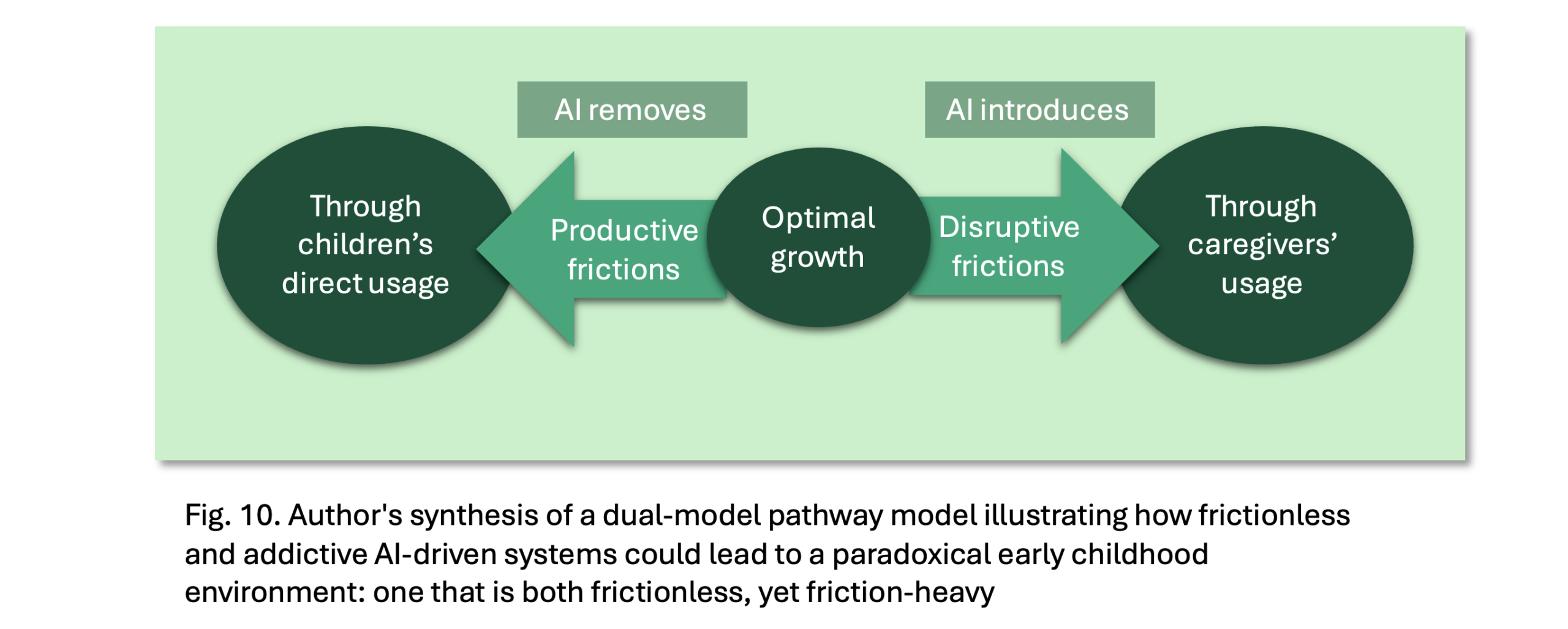
The effects above describe the risks when children are exposed to too little frictions. However, this is only part of the picture. While this paper highlights the risks of a frictionless environment, it does not call for a “friction-heavy” environment. In child development, the implications of friction depend on its form and function. While certain forms of effort and reciprocity support healthy development, repeated interruptions, fragmentation and inconsistency in the caregiver-child relationship may instead undermine it.
This paper refers to these forms of friction as disruptive frictions. Unlike productive frictions, which strengthen developmental capacities through manageable and desirable “challenge and repair”, disruptive frictions fragment attention, weaken reciprocity and disrupt caregiver-child interaction. AI-mediated environments, therefore, create a dual effect, especially in early childhood, where children are highly dependent on caregivers. Understanding this shift requires recognising the central role of the caregiver-child relationship in early development and the potentially disruptive forms of friction AI may amplify into these dynamics.
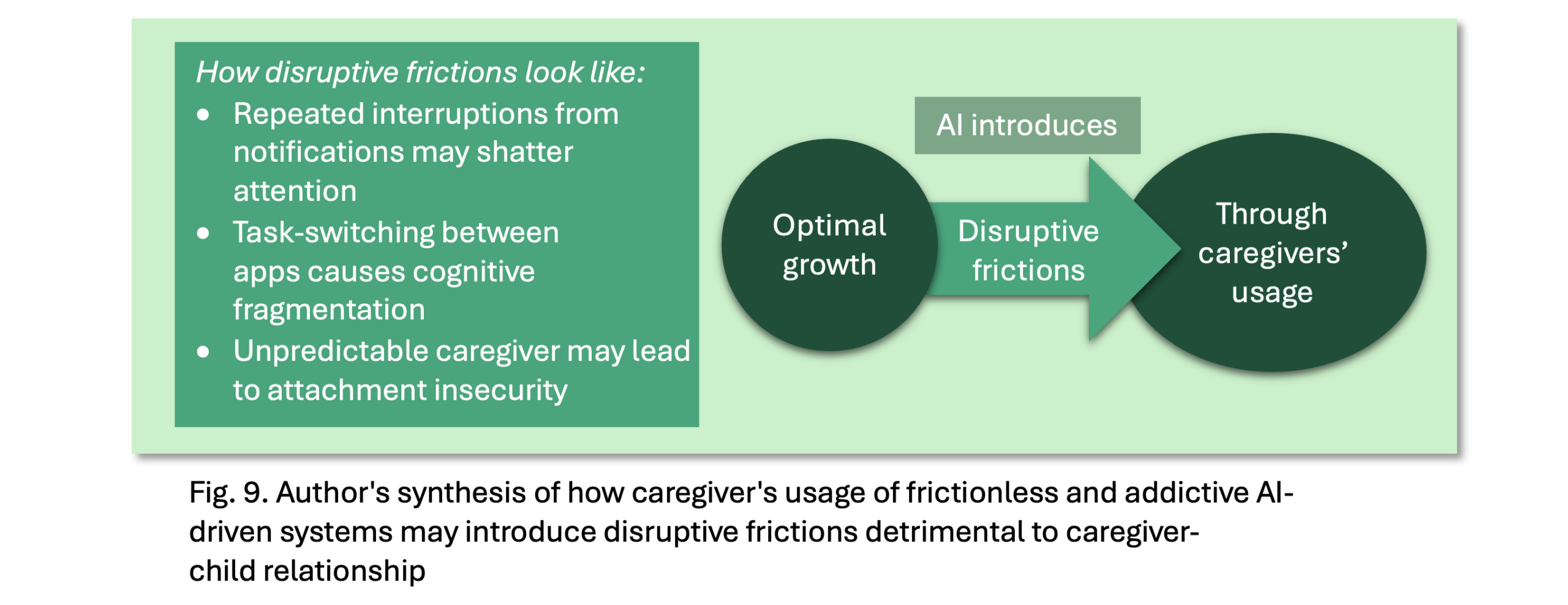
6.1 Friction-heavy world through caregivers’ usage
The introduction of disruptive friction in early childhood can be unpacked through caregivers’ usage, a phenomenon called “technoference”. Technoference was first coined by research scientists Brandon McDaniel and Jenny Radesky in 201858 to describe the intrusion of digital technologies into caregiver-child interactions, particularly through caregivers’ digital use. Research has since evolved to offer greater nuance, notably, the more recent conceptual work by Swit et al. (2026),59 which distinguishes technoference into three forms: (1) technological interruptions, referring to internally driven voluntary checking into digital devices, such as checking email even without any notification; (2) technological distractions, referring to caregivers being externally triggered by the way a digital technology is designed, such as frequent notifications; and (3) technological disruptions, referring to the chronic, pervasive breakdown of caregiver-child communication despite caregivers’ physical presence. The third category — technological disruption — presents sustained digital engagement that consistently prioritises device interaction over in-person engagement with a child. Both self-report and observational studies suggest that technoference, particularly device disruption of quality time spent between a caregiver and a child, undermines the caregiver’s ability to be fully present and emotionally available to their child. Importantly, this phenomenon cannot be understood solely as an individual choice or parental self-control but as highly influenced through the design of digital technologies and algorithmic systems, which compete for human attention. It raises questions about the extent of caregivers’ ability to exercise their agency in a highly engineered digital ecosystem.
1) Attachment and trust
Attachment is one of the most established and significant concepts in early childhood. The importance of attachment can be further strengthened with eight lifespan stages outlined by the child psychoanalyst and developmental psychologist Erik Erikson, in which humans go through unique development. During infancy, developing trust with caregivers is a unique developmental need that provides a sense of security for children to navigate the world. Secure attachment is what experts advocate for, and it is formed through a caregiver’s availability and sensitivity to a child’s needs. A caregiver’s ability to respond to a child’s signals provides the secure base for exploration and self-regulation. A 2024 longitudinal study using data from the Bucharest Early Intervention Project found that high-quality responsive caregiving in early childhood years increased high-frequency beta EEG power, which correlated with stronger working memory, inhibitory control and cognitive flexibility at age 8.60
When caregivers become too reliant on AI or too absorbed in personalised feeds and chronically miss their child’s signals, these introduce disruptive frictions that replace the opportunity to build caregivers’ attachment with the child. Repeated across thousands of daily interactions, this feeds into conditions for insecure attachment. Using data from the largest longitudinal study by 2021 that examined this association (n = 7,032), insecure attachment measured at 18, 30 and 42 months was associated with depression and self-harm at age 18.61 Importantly, a 22-year longitudinal study found that insecure attachment at 18 months correlated with significantly larger amygdala volumes in young adulthood and heightened cortisol responses to stressors.62 The amygdala is the part of the brain known as the “danger detector”. While the brain continues to be plastic, negative experiences with caregivers during early childhood can have structural imprints on the developing brain.
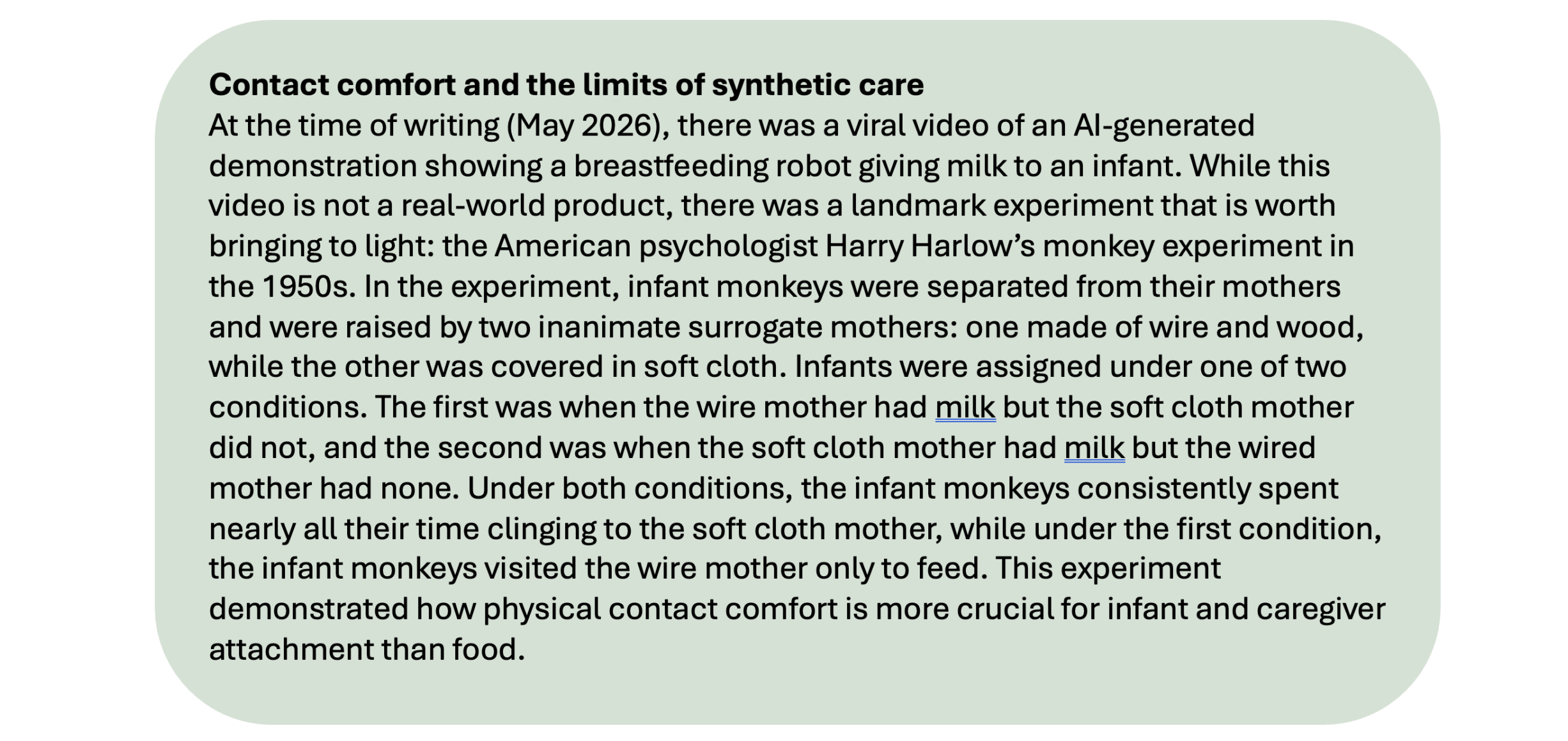
2) Fragmented “serve-and-return” interactions
Persuasive design features, such as autoplay, infinite feeds, reward loops and push notifications, are all embedded to maximise engagement. Caregivers report experiencing “toggling”, the cognitive effort required to shift between “work-brain” and “home-brain”, making even brief device engagement particularly absorbing, hence reducing caregivers’ responsiveness. Current prevalence underscores the systemic nature of this challenge. A 2025 nationally representative US study by Common Sense Media found that two-thirds of parents rely on screen time daily to manage parenting.32 The Pew Research Centre found six in 10 parents spend too much time on smartphones. In Peninsular Malaysia, a study of 425 preschoolers found that 84.6% were given digital devices so that they do not disturb parents, with only 17.2% given digital devices for educational purposes.
This increases the likelihood of broken “serve-and-return” interactions, which refer to the back-and-forth exchange between a caregiver and a child. For example, when a baby vocalises, the caregiver responds and the baby reacts. Each exchange will literally wire the brain and build the necessary neural pathways required for language and socio-emotional development.
When caregivers are psychologically absorbed in an AI-driven feed or notification stream due to its addictive design features, these exchanges may break down. It activates children’s hypothalamic-pituitary-adrenal axis (the primary neuroendocrine responsible for managing stress), releasing cortisol and pushing the brain into survival mode, where higher-order functions, including language, attention and decision-making, are suppressed. Recent meta-analyses published in 2025 increasingly support this hypothesis. The JAMA Pediatrics’ 2025 meta-analysis of 21 studies across 10 countries (n = 14,900) found that parental technology use is associated with poorer cognitive outcomes, lower attachment security and increased behavioural problems.63 A larger meta-analysis (52 studies, n > 54,000 children) further shows that children’s prolonged digital use is strongly correlated with parental digital behaviour, with the association stronger when both parents engaged in technoference compared with one parent alone.64
Understanding these two pathways allow us to see the comprehensive picture of how frictionless and addictive era of AI-fication could create a paradoxical situation in an early childhood environment: frictionless, yet friction-heavy, as visualised in Fig. 10.
[ 7. Digital parenting strategies and systemic barriers ]
The subjects of disagreements on the effects of earlier digital technologies (which AI is built upon) on children’s development outcomes are mainly concentrated on the context of usage. For example, research shows that there are differences when a digital device is used passively or actively, with passive usage shown to have more harm in some areas, such as a shorter attention span, while active and prolonged usage may have more harm on addiction, which is linked to myopia and reduced sleep time.65 The way young children use digital devices, whether co-use or solo use, may also play a factor in the effects.65
However, uniquely in early childhood, these differentiations are heavily dependent on parental digital mediation strategies, which are divided into three categories: active mediation (discussing content with children), restrictive mediation (setting limits on use) and co-use (directly engaging with children during device use).66These strategies, however, are not solely a matter of individual choices but are strongly shaped by structural factors which can come from socio-economic realities. If we dig further, children’s prolonged digital usage is significantly associated with parental technoference, low socio-economic status,67 passive parenting behaviour, and psychological distress.68 Device use is embedded in daily life, and smartphone use is especially difficult to control, given its persuasive and addictive design features, as well as normative expectations of digital responsiveness. Digital parenting strategies, in turn, are notably dependent on several factors, such as perceptions on the usage of digital technology,69 digital literacy and fluency, and time resources.69
Analysis has shown that parents are now increasingly burdened with the “unpaid digital care work” and digital mental load, where they need to navigate their resources to manage their children’s digital device usage.70 Current calls for “being mindful” or to “limit use” may not suffice and could cause caregivers to experience guilt by overemphasising willpower and control, while failing to acknowledge the technology industry’s responsibilities that enable the environment.
[ 8. Limitations ]
This research note does not claim that all AI applications in early childhood are inherently harmful.Rather, this analysis focuses specifically on displacement effects that arise when frictionless and addictive AI-powered systems remove productive friction through children’s direct usage and exposure, and introduce disruptive friction through caregivers’ usage. The literature reviews do acknowledge potential benefits and trajectories that may be different to children with learning disabilities, as well as other mechanisms in which AI is used, such as detecting learning difficulties71 or neurodivergent symptoms. Therefore, other dimensions of AI impacts warrant separate examinations.
[ 9. Policy recommendations ]
While there are nuances in the way AI is being used and how it may impact human development from early childhood, the following are some of the recommended principles and guidelines to be adhered to when it comes to AI and early childhood.
1) Strictly regulate relational-AI products and addictive-manipulative designs in young-children-facing products
While AI case studies are important, long-lasting impacts during early childhood, especially in terms of attachment, pose a very significant risk to children’s well-being and trajectories. Hence, AI systems that have relational aspects must be strictly regulated as “high risks”, especially for children. AI in the caregiving space must be confined to assistive tools, and product development ideation must not consciously or unconsciously replace caregivers’ roles in the household.
China has recently passed a new law that regulates AI-powered emotional interaction services and explicitly prohibits virtual intimate relationships and systems that encourage extreme emotional responses for children.72 It has also mandated child-focused safety assessments. The European Union AI Act under Article (6)(2) considers any AI-mediated systems used in education and vocational training as “high-risk”, while Article 5(1) prohibits AI systems that could undermine individual well-being through subliminal, manipulative techniques and exploit vulnerabilities by age group.73
As Malaysia is currently developing its AI Governance Bill, it is recommended that the bill be specific in ensuring that any AI products and systems accessed by children must strictly regulate relational aspects and that companies must incorporate guardrails to avoid cognitive or emotional dependencies.
Governing bodies must also ensure that AI-related products in the children’s market, such as toys and games, are screened for addictive-manipulative designs. Operationally, the bill can enforce a requirement for companies to prepare a per-product or per-service AI safety plan to be assessed by a competent authority before allowing the products into the market.
2) Create and enforce standards for children’s AI-related products
It is recommended that a standard be developed and implemented by all companies operating in the country. This recommendation can be part of the upcoming AI Governance Bill. Recommendations by subject matter experts can be included so that the citizens are confident that AI-related products or services that their children interact with have adequate guardrails in place, so as to not negatively impact their children’s development. A parallel that can be seen is the standards already in place for children’s toys: for example, toys for a certain age group must not be a choking hazard. Screen time guidelines treat the media as inert rather than algorithmically responsive; the evidence presented in this research note demonstrates that AI-fication requires developmentally informed regulation targeting design features and not just usage duration.
3) Incentivise purpose-built AI model for children with “friction-by-design” as part of developmentally appropriate design features
Products for children need to be built from the ground up. Governments could outline restrictions for third-party toy developers from accessing generative AI models that are not meant for children, or the authorities should outline model-specific terms for any third-party use.
AI-related products should have developmentally appropriate features, physical-wise and model-wise. Developing a new foundational model specifically for early childhood might be prohibitively impractical. Thus, it is recommended that a specialised model with strict guardrails be developed and approved by relevant authorities, which should also continuously monitor the efficacy of the guardrails and maintain pre- and post-launch evaluations of product performance.
Developing a specialised model would also free up resources to focus on developing in-group specialisations of the AI model. An AI model for a 5-year-old may not be developmentally appropriate for a 3-year-old. This ensures that the overall goal of friction-by-design is maintained and that users still benefit from the AI model. Current practice only uses a broad brush to state that models are child-appropriate, without external validation or specificity for different stages of early childhood development.
Governments could outline guidelines for child-centred design features, such as closure cues, seamless parental control and sleeping time, as well as recommendations for friction-by-design features, such as designs that surface user thinking, encourage scaffolding through task structure and support users’ voice and independent learning.
Governments could incentivise companies to develop friction-by-design for children-facing products or services by reducing the tax rate for abiding companies, or increasing the tax rate for offending companies, using a similar structure as the carbon tax or green economy incentives. This can be argued based on the high likelihood of negative externalities coming from frictionless and addictive AI designs that could diminish children’s cognitive and socio-emotional development.
4) Structural support for caregivers
While the burden of care should begin and be mainly placed on technology providers, it is important to acknowledge the role of caregivers in early childhood, as younger children have yet to build their own cognitive agency. This is because even with social media ban for children under 16 in place, it may not stop caregivers from getting assistance from AI-mediated products in their caregiving duties where children could still directly use the platforms, especially if caregivers have more resource barriers or knowledge gap to provide alternative activities for their children.74
Evidently, attachment in the caregiver-child relationship and early experiences have a structural and long-lasting effect on children’s overall developmental well-being. In an AI-fied world, whether that is through stand-alone AI products or algorithms that run in the background of digital devices, parental digital mediation strategies play an important role in shaping the way AI is used in households with infants and younger children. Similar to how breastfeeding knowledge and practice are considered as a public health issue, knowledge and practice of digital and AI literacy could be viewed the same way, especially as studies have found that parents’ perceptions of devices and self-efficacy play an important role in digital parenting.67,69 A randomised controlled trial of digital health education for parents conducted at Petaling Jaya public pre-schools showed significant improvement in reducing children’s screen time and increasing the children’s physical activities.75
5) Disincentivise attention economy to intent economy, especially for children’s products
The attention economy landscape is historically dominated by a few large technology companies, mainly due to network effects. While the network effects for AI products might not be as strong as those of social media giants, AI platforms substitute network effects with massive supply-side economies of scale, heavy resource consumption and data capital asymmetry, which could threaten a new wave of market concentration.76 Regulation is then required to establish a legally binding floor to resolve the collective action problem so that no company is economically penalised for prioritising safety.77 This may be achieved by mandating risk-classified algorithmic transparency and enforcing robust frameworks against the extraction and tracking of personal data, where protections must be strictly heightened for younger children. Ultimately, governments could also tailor antitrust interventions and market-share-based regulations to avoid monopolies and to foster an ecosystem of an intent economy that actively protects and prioritises children’s developmental well-being.
[ Appendix ]
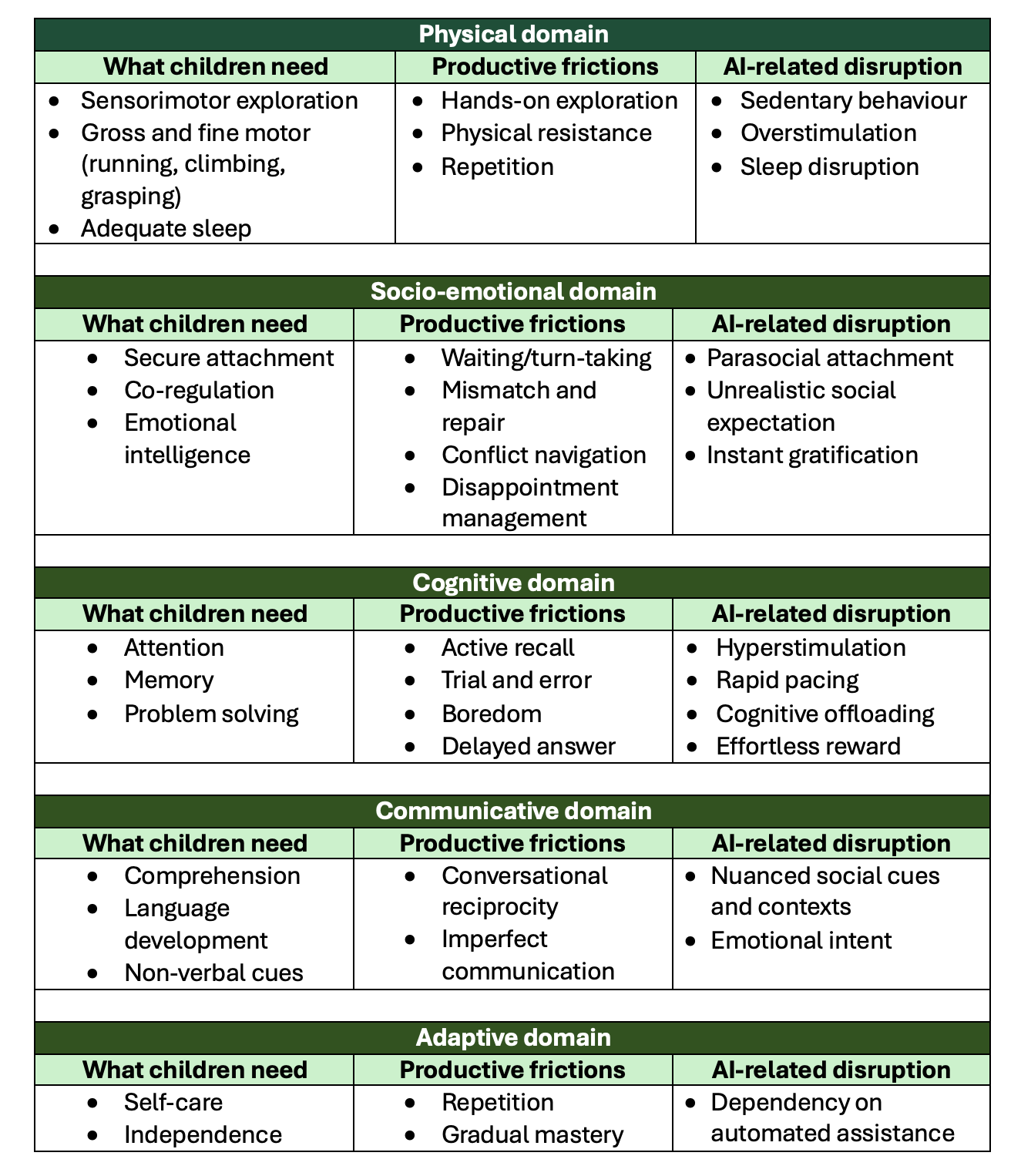
Below is a compilation of synthesis of children’s optimal environment needs in five domains, along with productive frictions that could be disrupted by highly frictionless and addictive AI design features.
List of key informants:

[ Contributor ]
Farah Nabilah is a public policy researcher whose work is anchored in human development. She focuses on the intersections of early childhood care and education (ECCE), care policies, digital labour platforms, AI and social media governance. She currently sits on the Gig Consultative Council under Malaysia’s Gig Workers Act. She holds a Bachelor’s degree in Psychology from International Islamic University Malaysia and was a Khazanah Global Scholar for her Master’s degree in Public Policy at the London School of Economics and Political Science.
[ Illustrator ]
Lisa is a Malaysian illustrator with a background in architecture. She creates atmospheric, environment-driven illustrations with a playful, intuitive and dreamy touch. Lisa enjoys building worlds that invite viewers to slow down, wander, and discover their own meanings.
[ Acknowledgements ]
The author wishes to thank Farlina Said and Harris Zainul for reviewing this research note, as well as colleagues at ISIS Malaysia and key informants for their valuable time, feedback and insights.
[ REFERENCES ]
1Ministry of Science, Technology and Innovation (2024). The National Guidelines on AI Governance & Ethics https://mastic.mosti.gov.my/storage/2024/09/THE-NATIONAL-GUIDELINES-ON-AI-GOVERNANCE-ETHICS.pdf
2Insight Ace Analytic. (2025). AI in Childcare and Parenting Market Size, Scope, Revenue Report 2026 to 2035. Insight Ace Analytic. https://www.insightaceanalytic.com/report/ai-in-childcare-and-parenting-market/2730
3Future Market Insights. (n.d.). Smart/AI Toy Market: Global Industry Analysis 2015–2024 and Opportunity Assessment 2025–2035. https://www.futuremarketinsights.com/reports/smart-ai-toys-market
4IMARC Group. (2026). Toys Market Size, Share, Trends and Forecast by Product Type, Age Group, Sales Channel, and Region, 2026–2034. https://www.imarcgroup.com/toys-market
5Precedence Research. (2026). AI in Education Market Size to Surge USD 136.79 Bn by 2035. https://www.precedenceresearch.com/ai-in-education-market
6Industry Research. (2026). Education Market Size, Growth & Forecast [2035]. https://www.industryresearch.biz/market-reports/education-market-108017
7Global Market Insights. (2026). AI-Powered Industrial Robot Market Size & Share 2026–2035. https://www.gminsights.com/industry-analysis/ai-powered-industrial-robot-market
8Grand View Research. (2026). Generative AI Market (2026–2033). https://www.grandviewresearch.com/industry-analysis/generative-ai-market-report
9Grand View Research. (2026). Artificial Intelligence in Healthcare Market (2026–2033). https://www.grandviewresearch.com/industry-analysis/artificial-intelligence-ai-healthcare-market
10Examining the Harm of AI Chatbots, U.S. Senate Judiciary Committee, Subcommittee on Crime and Counterterrorism, 119th Congress. (2025) (Testimony of Mitchell J. Prinstein). https://www.apa.org/news/apa/testimony/ai-chatbot-harms-prinstein-senate-judiciary.pdf
11De, D., El Jamal, M., Aydemir, E., & Khera, A. (2025). Social media algorithms and teen addiction: Neurophysiological impact and ethical considerations. Cureus, 17(1), e77145. http://doi.org/10.7759/cureus.77145
12Batcheler, R. (2023, April 3). Early childhood and the developing brain. Centre for Early Childhood. https://centreforearlychildhood.org/news-insights/case-studies/early-childhood-and-the-developing-brain
13Brighter Futures Indiana. (n.d.). The Science of Early Learning. https://brighterfuturesindiana.org/blog/the-science-of-early-learning
14The science of early childhood development. (2007, March 17). InBrief. Harvard University's Center on the Developing Child. https://developingchild.harvard.edu/resources/inbriefs/inbrief-science-of-ecd
15Brain architecture. (n.d.). Center on the Developing Child at Harvard University. https://developingchild.harvard.edu/key-concept/brain-architecture/
16OECD. (2025). Reducing Inequalities by Investing in Early Childhood Education and Care. OECD Publishing. https://doi.org/10.1787/b78f8b25-en
17Center for the Economics of Human Development. (n.d.). Perry Preschool Project. https://cehd.uchicago.edu/?page_id=958
18OECD. (2025). Education at a Glance 2025: OECD Indicators. OECD Publishing. https://doi.org/10.1787/1c0d9c79-en
19Ministry of Finance Malaysia. (2022). 2022 Federal Expenditure Estimates. https://belanjawan.mof.gov.my/ms/2022/perbelanjaan
20Su, J. & Yang, W. (2022). Artificial intelligence in early childhood education: A scoping review. Computers and Education: Artificial Intelligence. 3, 100049. https://doi.org/10.1016/j.caeai.2022.100049
21Durrani, R., Iqbal, A., & Akram, H. (2024). Artificial intelligence (AI) in early childhood education — Exploring challenges, opportunities and future directions: A scoping review. Qlantic Journal of Social Sciences, 5(2), 411–423. https://doi.org/10.55737/qjss.135537445
22Solichah, N. & Shofiah, N. (2024). Artificial intelligence (AI) literacy in early childhood education: A scoping review. Psikologika: Jurnal Pemikiran dan Penelitian Psikologi, 29(2), 173–190. https://doi.org/10.20885/jstl.vol29.iss2.art1
23Ansari, A. N., Ahmad, S., & Bhutta, S. M. (2024). Mapping the global evidence around the use of ChatGPT in higher education: A systematic scoping review. Education and Information Technologies, 29(9), 11281–11321. https://doi.org/10.1007/s10639-023-12223-4
24Castillo-Martínez, I. M., Flores-Bueno, D., Gómez-Puente, S. M., & Vite-León, V. O. (2024). AI in higher education: A systematic literature review. Frontiers in Education, 9, 1391485. https://doi.org/10.3389/feduc.2024.1391485
25Jaboob, M., Al-Ansi, A., & Riyadh, H. A. (2025). Artificial intelligence in higher education: A PRISMA 2020 review. International Journal of Educational Management, 40(1–2), 113–132. https://doi.org/10.1108/IJEM-09-2024-0560
26Carpentier, C. L. (n.d.). Attention _economy. United Nations. https://www.un.org/sites/un2.un.org/files/attention_economy_feb.pdf
27US PIRG Education Fund. (2025, November 13). Trouble in Toyland 2025: A.I. Bots and Toxics Present Hidden Dangers. https://pirg.org/edfund/resources/trouble-in-toyland-2025-a-i-bots-and-toxics-represent-hidden-dangers
28Gath, M., Horwood, L. J., Gillon, G., McNeill, B., & Woodward, L. J. (2026). Longitudinal associations between screen time and children’s language, early educational skills, and peer social functioning. Developmental Psychology, 62(3), 638–652. https://doi.org/10.1037/dev0001907
29Bjork, E. L. & Bjork, R. (2014). Making things hard on yourself, but in a good way: Creating desirable difficulties to enhance learning. In: M. A. Gernsbacher and J. Pomerantz (Eds.), Psychology and the Real World: Essays Illustrating Fundamental Contributions to Society (2nd ed., pp. 59-68). Worth Publishing.
30American Academy of Pediatrics. (2025, May 22). Screen Time Guidelines. https://www.aap.org/en/patient-care/media-and-children/center-of-excellence-on-social-media-and-youth-mental-health/qa-portal/qa-portal-library/qa-portal-library-questions/screen-time-guidelines
31Institute for Public Health, Ministry of Health Malaysia. (2016). National Health and Morbidity Survey 2016: Maternal and Child Health — Volume Two: Maternal and Child Health Findings. https://iku.nih.gov.my/images/IKU/Document/REPORT/2016/NHMS2016ReportVolumeII-MaternalChildHealthFindingsv2.pdf
32Mann, S., Calvin, A., Lenhart, A., & Robb, M. B. (2025). The Common Sense Census: Media Use by Kids Zero to Eight. Common Sense Media. https://www.commonsensemedia.org/sites/default/files/research/report/2025-common-sense-census-web-2.pdf
33Zohar, E., Bloom, P., & Inzlicht, M. (2024). Against frictionless AI. Communications Psychology, 4(1), 39. https://doi.org/10.1038/s44271-026-00402-1
34Child Development Centre. (2024, April 9). Why is Attention So Crucial for Your Child’s Development? https://www.cdchk.org/en/parent-tips/why-attention-so-crucial-your-childs-development
35Giraldo-Luque, S., Aldana Afanador, P. N., & Fernández-Rovira, C. (2020). The struggle for human attention: Between the abuse of social media and digital wellbeing. Healthcare, 8(4), 497. https://doi.org/10.3390/healthcare8040497
36Vaswani, A., et al. (2017). Attention is all you need. In: I. Guyon, et al. (Eds.), Advances in Neural Information Processing Systems 30 — 31st Annual Conference on Neural Information Processing Systems (NIPS 2017), Vol. 1 of 10 (pp. 5999–6009). Curran Associates. https://proceedings.neurips.cc/paper_files/paper/2017/hash/3f5ee243547dee91fbd053c1c4a845aa-Abstract.html
37Sixpence. (n.d.). Early Brain Development. Nebraska Children and Families Foundation. https://www.singasongofsixpence.org/what-is-sixpence/first-three-years/early-brain-development.html
38Harris, A. (2012, November 19). Prevent Sensory Overload in Infants. Michigan State University Extension. https://www.canr.msu.edu/news/prevent_sensory_overload_in_infants
39Jacksonville State University. (n.d.). Cognitive Theory of Multimedia Learning. https://www.jsu.edu/online/faculty/cognitive-theory-of-multimedia-learning.html
40Benjamin, Z. (2026, April 1). What is Cognitive Overload: How to Spot the Signs and Prevent It in Your Classroom. Third Space Learning. https://thirdspacelearning.com/blog/cognitive-overload
41Kirschner-ED. (2026, January 13). Understanding AI: Offloading or Outsourcing Thinking? https://www.kirschnered.nl/2026/01/13/understanding-ai-offloading-or-outsourcing-thinking
42Lodge, J. M. & Loble, L. (2026). Artificial Intelligence, Cognitive Offloading and Implications for Education. University of Technology Sydney. https://doi.org/10.71741/4PYXMBNJAQ.31302475
43Severs, A. (2026, January 3). Cognitive Offloading and AI in Schools: What It Is, Why It Matters, and How to Choose the Right Tools. Third Space Learning. https://thirdspacelearning.com/blog/cognitive-offloading
44Xu, Y. (n.d.). Parenting in the AI age. UNICEF Parenting. https://www.unicef.org/parenting/digital-parenting/how-approach-ai-children
45Portugal, A. M., Bedford, R., Cheung, C. H. M., Mason, L., & Smith, T. J. (2021). Longitudinal touchscreen use across early development is associated with faster exogenous and reduced endogenous attention control. Scientific Reports, 11, 2205. https://doi.org/10.1038/s41598-021-81775-7
46Posner, M. I. & Rothbart, M. K. (2007). Research on attention networks as a model for the integration of psychological science. Annual Review of Psychology, 58, 1–23. https://doi.org/10.1146/annurev.psych.58.110405.085516
47Law, E. C., et al. (2023). Associations between infant screen use, electroencephalography markers, and cognitive outcomes. JAMA Pediatrics, 177(3), 311. https://doi.org/10.1001/jamapediatrics.2022.5674
48Huang, P., et al. (2026). Neurobehavioural links from infant screen time to anxiety. EBioMedicine, 123, 106093. https://doi.org/10.1016/j.ebiom.2025.106093
49Keller, A. J. (2026, February). The algorithm that runs your motivation. Neurosity. https://neurosity.co/guides/reward-prediction-error-dopamine
51Batcheler (2023). Early childhood and the developing brain. Royal Foundation Centre for Early Childhood. https://centreforearlychildhood.org/news-insights/case-studies/early-childhood-and-the-developing-brain/
52Kirk, H. R., Gabriel, I., Summerfield, C., Vidgen, B., & Hale, S. A. (2025). Why human–AI relationships need socioaffective alignment. Humanities and Social Sciences Communications, 12, 728. https://doi.org/10.1057/s41599-025-04532-5
53Cheng, M., Lee, C., Khadpe, P., Yu, S., Han, D., & Jurafsky, D. (2026). Sycophantic AI decreases prosocial intentions and promotes dependence. Science, 391(6792), eaec8352. https://www.science.org/doi/10.1126/science.aec8352
54Tronick, E. Z. (1989). Emotions and emotional communication in infants. American Psychologist, 44(2), 112–119. https://doi.org/10.1037//0003-066x.44.2.112
55Tronick, E., & Beeghly, M. (2011). Infants’ meaning-making and the development of mental health problems. American Psychologist, 66(2), 107–119. https://doi.org/10.1037/a0021631
56Ibrahim, L., et al. (2026). Sycophantic AI makes human interaction feel more effortful and less satisfying over time. arXiv, arXiv:2605.07912. https://doi.org/10.48550/arXiv.2605.07912
57Economy Research & Swiss Institute of Artificial Intelligence (2026, March 25). AI, childhood, and the rewiring of social development: Trust, interaction, and the family as an institution. The Economy. https://economy.ac/research/2026/03/202603288745
58McDaniel, B. T. & Radesky, J. S. (2018). Technoference: Parent distraction with technology and associations with child behavior problems. Child Development, 89(1), 100–109. https://doi.org/10.1111/cdev.12822
59Swit, C. S., Coyne, S. M., & Holmgren, H. (2026). Distracted, interrupted, or disrupted: A pathway model of technoference. Human Behavior and Emerging Technologies, 2026, 2671429. https://doi.org/10.1155/hbe2/2671429
60Vanderwert, R. E., Zeanah, C. H., Fox, N. A., & Nelson, C. A., III. (2016). Normalization of EEG activity among previously institutionalized children placed into foster care: A 12-year follow-up of the Bucharest Early Intervention Project. Developmental Cognitive Neuroscience, 17, 68-75. https://doi.org/10.1016/j.dcn.2015.12.004
61Clery, P., Rowe, A., Munafò, M., & Mahedy, L. (2021). Is attachment style in early childhood associated with mental health difficulties in late adolescence? BJPsych Open, 7(Suppl. 1), S15. https://doi.org/10.1192/bjo.2021.98
62Moutsiana, C., et al. (2015). Insecure attachment during infancy predicts greater amygdala volumes in early adulthood. The Journal of Child Psychology and Psychiatry, 56(5), 540–548. https://doi.org/10.1111/jcpp.12317
63Toledo-Vargas, M., Chong, K. H., Maddren, C. I., Howard, S. J., Wakefield, B., & Okely, A. D. (2025). Parental technology use in a child’s presence and health and development in the early years: A systematic review and meta-analysis. JAMA Pediatrics, 179(7), 730–737. https://doi.org/10.1001/jamapediatrics.2025.0682
64Zhang, J., Zhang, Q., Xiao, B., Cao, Y., Chen, Y., & Li, Y. (2025). Parental technoference and child problematic media use: Meta-analysis. Journal of Medical Internet Research, 27(1), e57636. https://doi.org/10.2196/57636
65Neugnot-Cerioli, M. & Laurenty, O. M. (2024). The future of child development in the AI era: Cross-disciplinary perspectives between AI and child development experts. arXiv, arXiv:2405.19275. https://arxiv.org/abs/2405.19275v1
66Qu, F., He, S., Yu, F., & Gu, C. (2025). The impact of electronic device use on learning quality in young children: The mediating role of executive function and the moderating role of parental mediation. Frontiers in Public Health, 13, 1609878. https://doi.org/10.3389/fpubh.2025.1609878
67Mansor, E., Ahmad, N., Raj, D., Mohd Zulkefli, N. A., & Mohd Shariff, Z. (2021). Predictors of parental barriers to reduce excessive child screen time among parents of under-five children in Selangor, Malaysia: Cross-sectional study. Journal of Medical Internet Research, 23(4), e25219. https://doi.org/10.2196/25219
68Qian, H., Wang, C., & Li, H. (2024). Parental risk factors and moderators of prolonged digital use in preschoolers: A meta-analysis. Education and Information Technologies, 29(13), 17601–17619. https://doi.org/10.1007/s10639-024-12558-6
69Raj, D., Mohd Zulkefli, N., Mohd Shariff, Z., & Ahmad, N. (2022). Determinants of excessive screen time among children under five years old in Selangor, Malaysia: A cross-sectional study. International Journal of Environmental Research and Public Health, 19(6), 3560. https://doi.org/10.3390/ijerph19063560
70Heaselgrave, F. (2021). Unpaid digital care work: Unmasking the parental mediation practices of contemporary mothers. New Media & Society, 27(1), 281–296. https://doi.org/10.1177/14614448231174420
71Yesare, P. (2026). AI-powered early detection and intervention for learning disabilities transforming special education with machine learning. In: S. Dutta, A. Bhattacharya, S. Bose, & Z. Polkowski (Eds.), Proceedings of International Conference on Computational Intelligence and Information Retrieval — ICCIIR 2025, Volume 2 (pp. 57–67). Springer Nature Switzerland. https://doi.org/10.1007/978-3-032-04539-3_5
72UNICEF. (2026, April 24). UNICEF Welcomes China’s Groundbreaking Regulations to Protect Children from AI-Related Risks [Press release]. https://www.unicef.cn/en/press-releases/unicef-welcomes-chinas-groundbreaking-regulations-protect-children-ai-related-risks
73Tiani, V. (2006, February 24). Red lines under the EU AI Act: Understanding manipulative techniques and the exploitation of vulnerabilities. Future of Privacy Forum. https://fpf.org/blog/red-lines-under-the-eu-ai-act-understanding-manipulative-techniques-and-the-exploitation-of-vulnerabilities
74Mansor, M. & Wahab, R. (2021). Pemilikan dan penggunaan teknologi digital dalam kalangan kanak-kanak prasekolah: Satu analisis deskriptif [Ownership and use of digital technology among preschool children: A descriptive analysis]. Malaysian Journal of Human Ecology, 2(4), 43–58.
75Raj, D., Ahmad, N., Mohd Zulkefli, N. A., & Lim, P. Y. (2023). Stop and Play digital health education intervention for reducing excessive screen time among preschoolers from low socioeconomic families: Cluster randomized controlled trial. Journal of Medical Internet Research, 25, e40955. https://doi.org/10.2196/40955
76Korinek, A. (2024, October 21). Neural network effects: Scaling and market structure in artificial intelligence. Institute for New Economic Thinking. https://www.ineteconomics.org/perspectives/blog/neural-network-effects-scaling-and-market-structure-in-artificial-intelligence
77Thomas, M. (2026, April 29). AI companies can’t regulate themselves. They should regulate each other. Lawfare. https://www.lawfaremedia.org/article/ai-companies-can-t-regulate-themselves-they-should-regulate-each-other