


[ EVENT ]
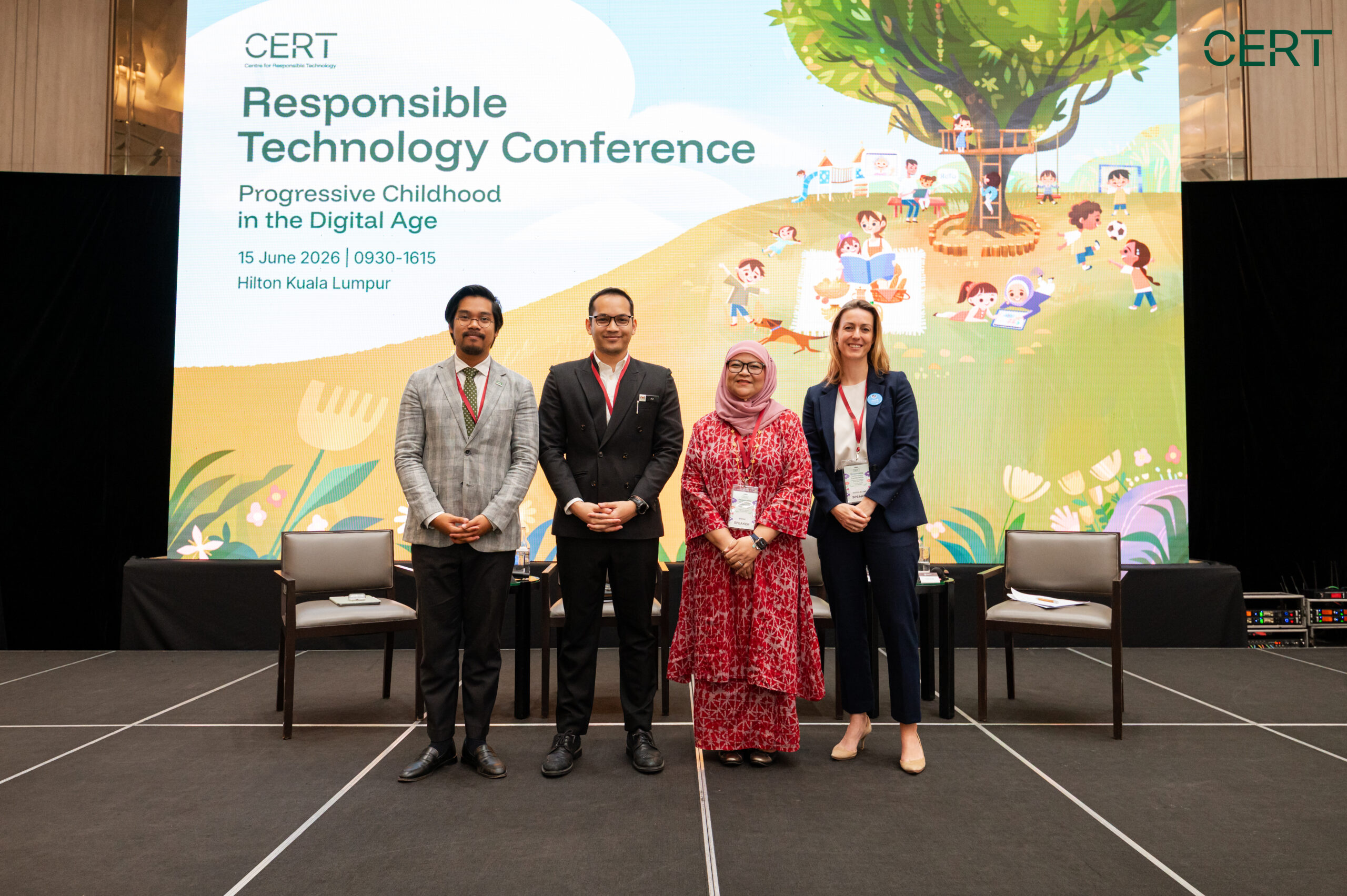
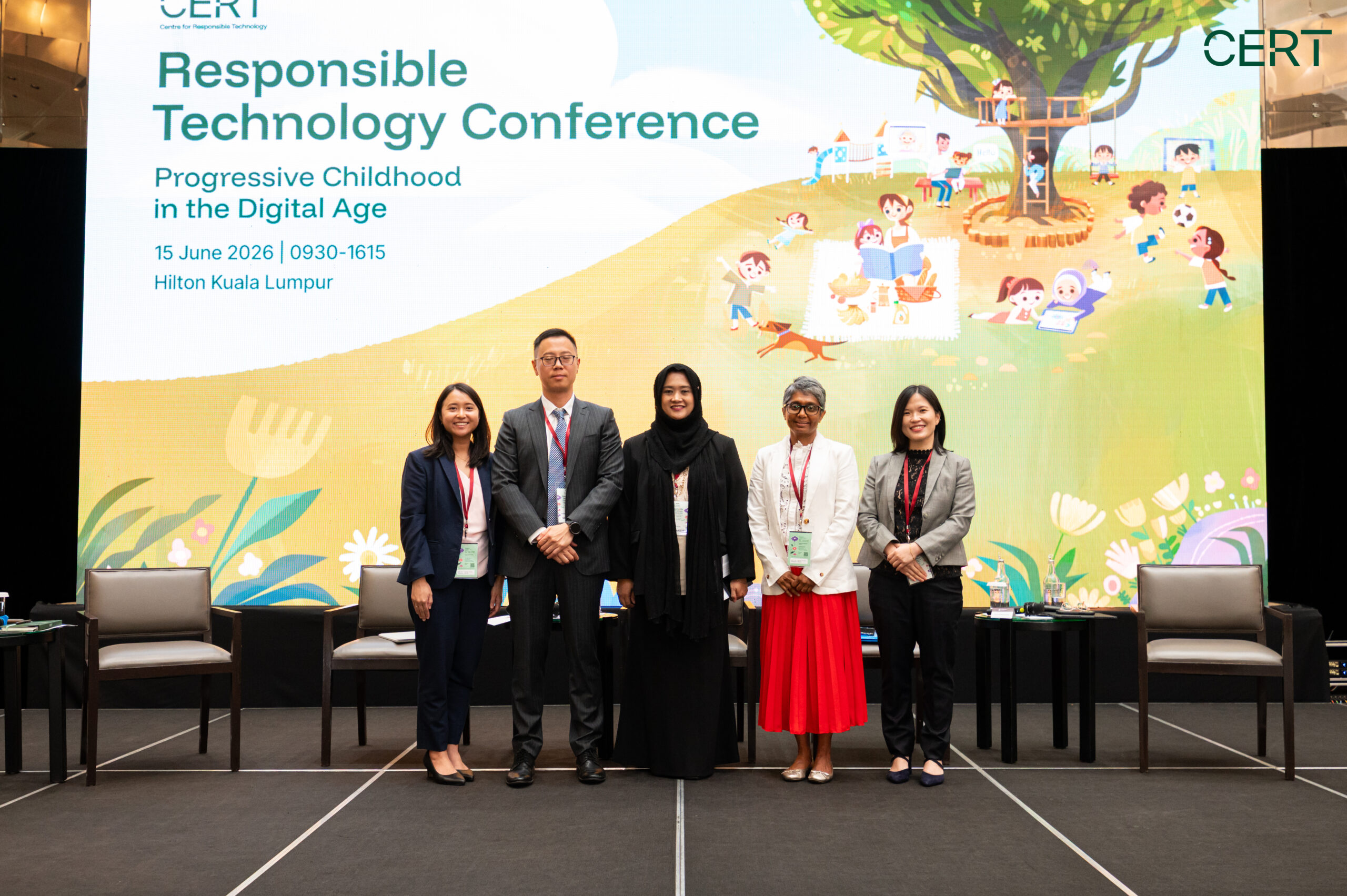
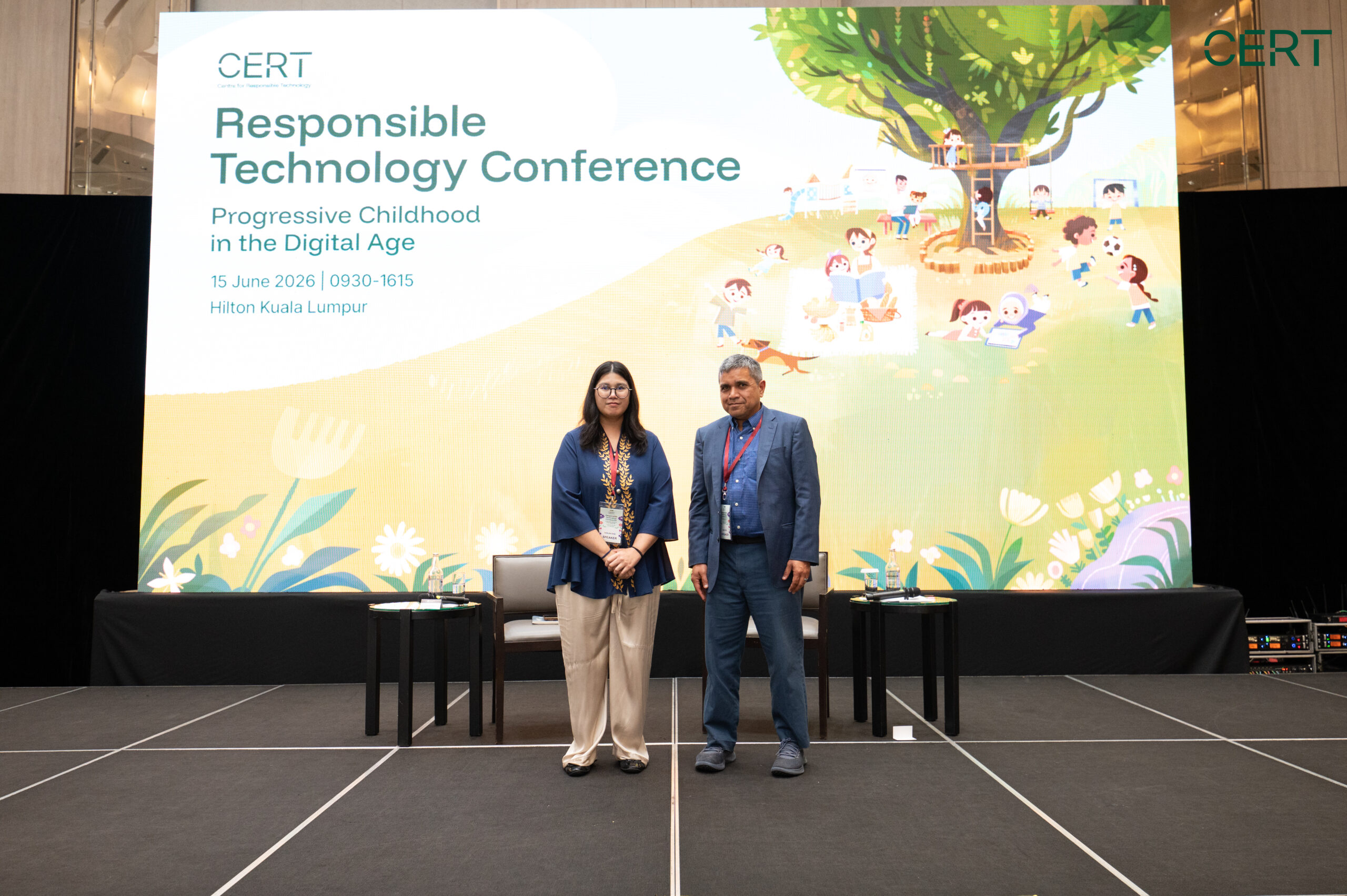
Responsible Technology Conference: Progressive Childhood in the Digital Age
[ DATE ]
15 June 2026
[ TIME ]
09:30-16:30
[ VENUE ]
Hilton Kuala Lumpur
[ OVERVIEW ]
The inaugural Responsible Technology Conference centres on the intersection between emerging technologies and their implications for children, situated within the broader question of how societies should govern technological change in the public interest.
The pace at which technologies are being developed, deployed and embedded in society – particularly among younger users – necessitates a deliberate assessment of both their opportunities and risks. Children are often among technology’s earliest adopters, engaging with new platforms, tools, and features ahead of regulatory, institutional, and societal understanding of their consequences.
This challenge spans both established and emerging technologies. Social media platforms, for instance, are undergoing significant shifts in how they are accessed and experienced by younger users, prompting regulatory responses across multiple jurisdictions ranging from softer guidelines to outright prohibition on access. At the same time, artificial intelligence is introducing new dimensions of interaction, raising psychosocial questions as children increasingly engage with AI-powered chatbots for companionship in ways that may influence social development, emotional attachment, and identity formation.
Beyond these concerns lie the longstanding promise that technology can bring to education – frequently framed as a pathway towards more equitable access to quality learning, particularly through online resources and digital classrooms. Yet many important questions remain regarding whether this potential have translated into measurable outcomes. How has the digitalisation of the classroom and learning experience actually unfolded in practice? Have there been any unintended consequences? What lessons can be drawn from international experiences to inform future policy choices? And to call out the elephant in the classroom, what role should AI play especially when considering the risk of cognitive offloading and stunting?
The Responsible Technology Conference examines technology through the lens of children because they are a particularly vulnerable demographic. Decisions made today regarding how they interact with technology will shape future norms, expectations, and governance frameworks. Understanding this intersection is therefore central to advancing responsible technology development that safeguards wellbeing, supports human developments, and remains aligned with the public interest.
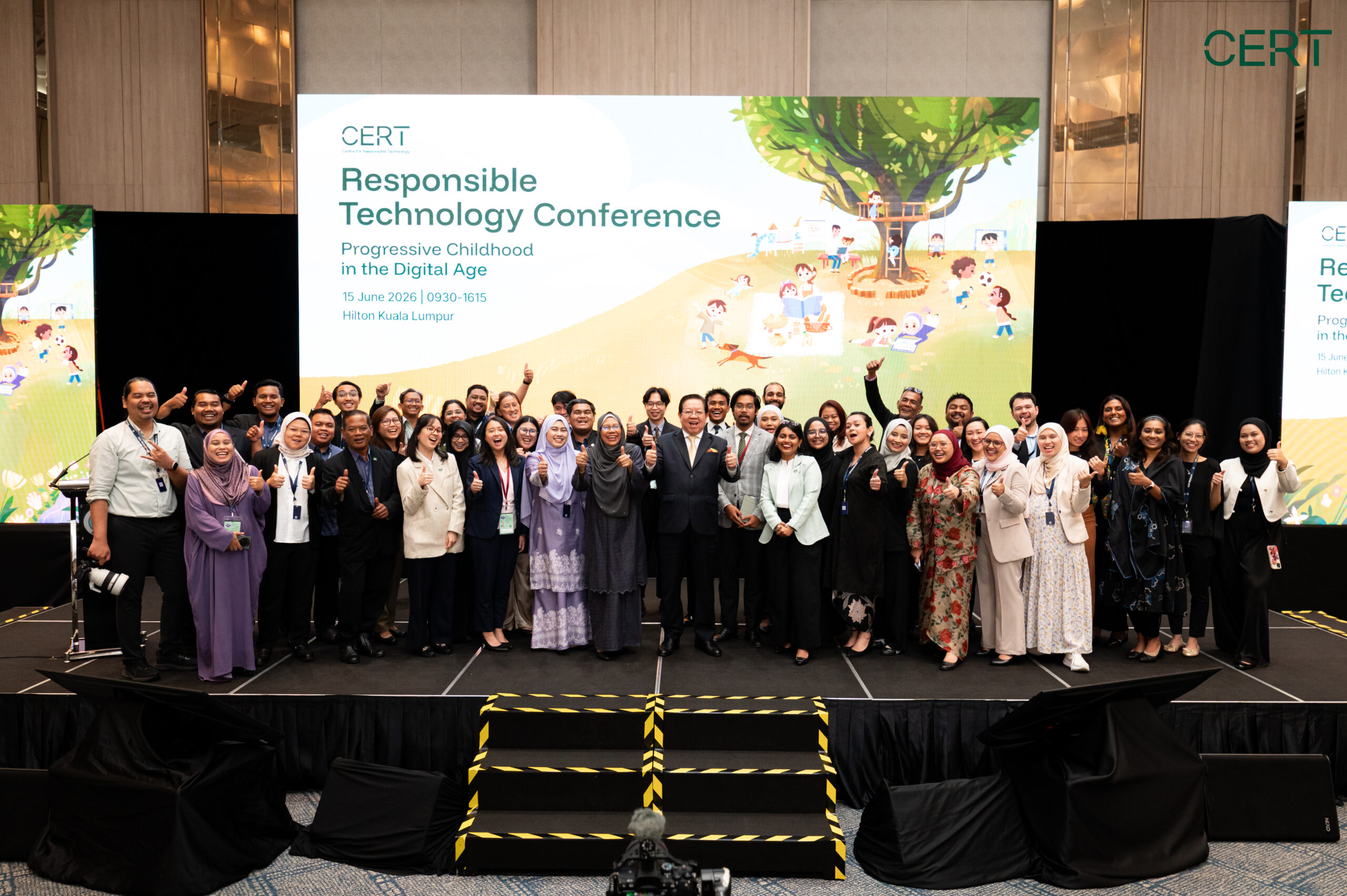
[ GALLERY ]

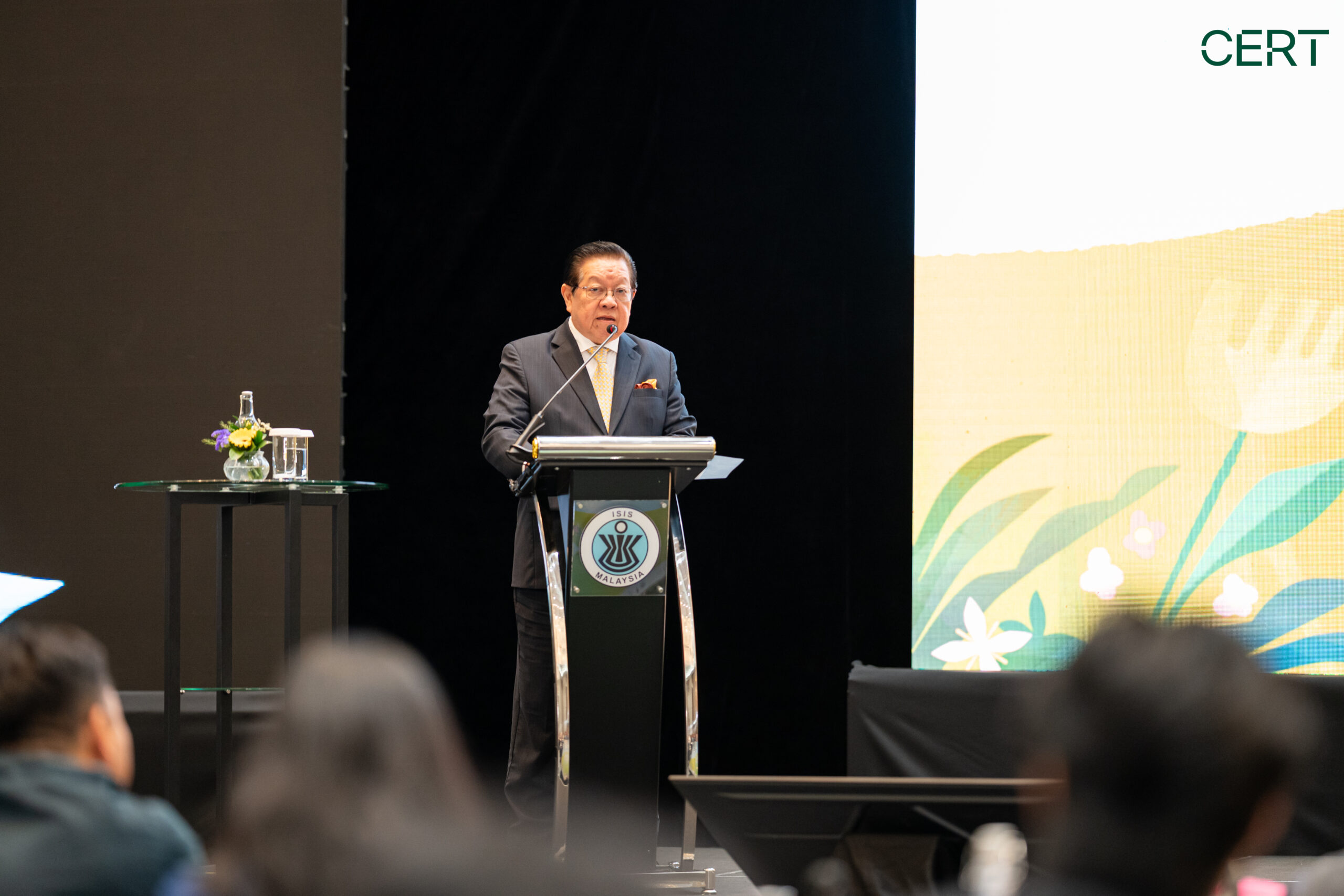
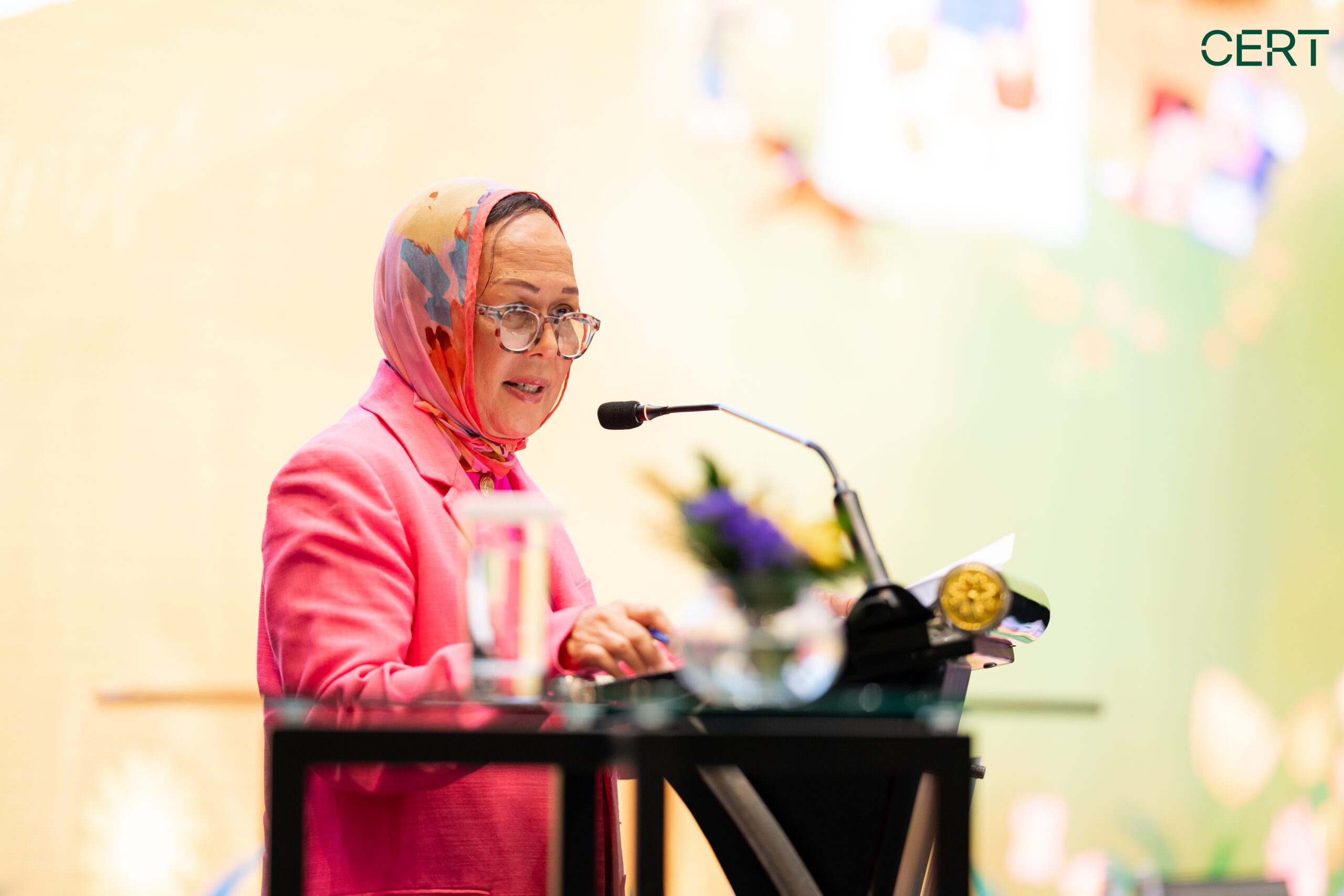
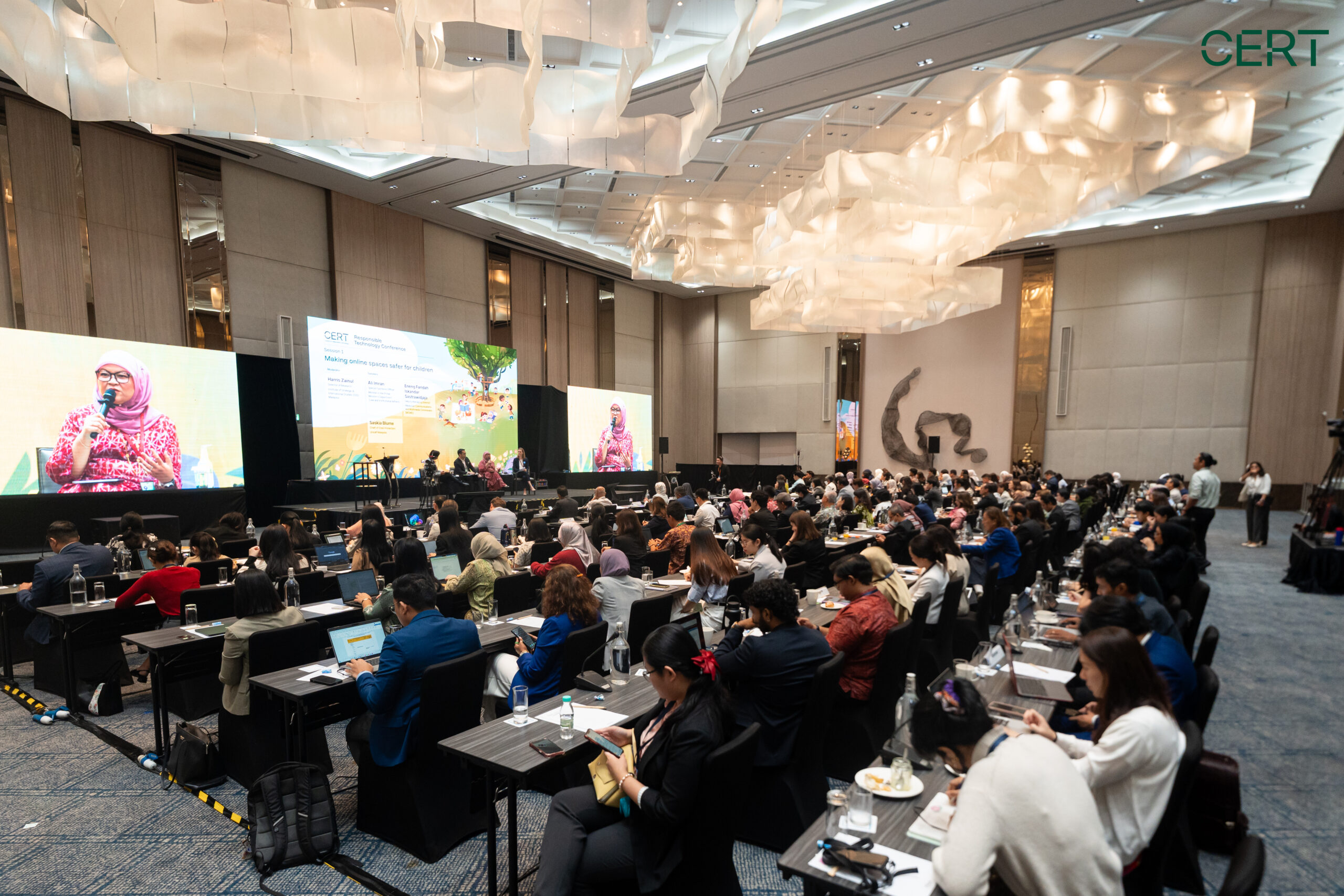
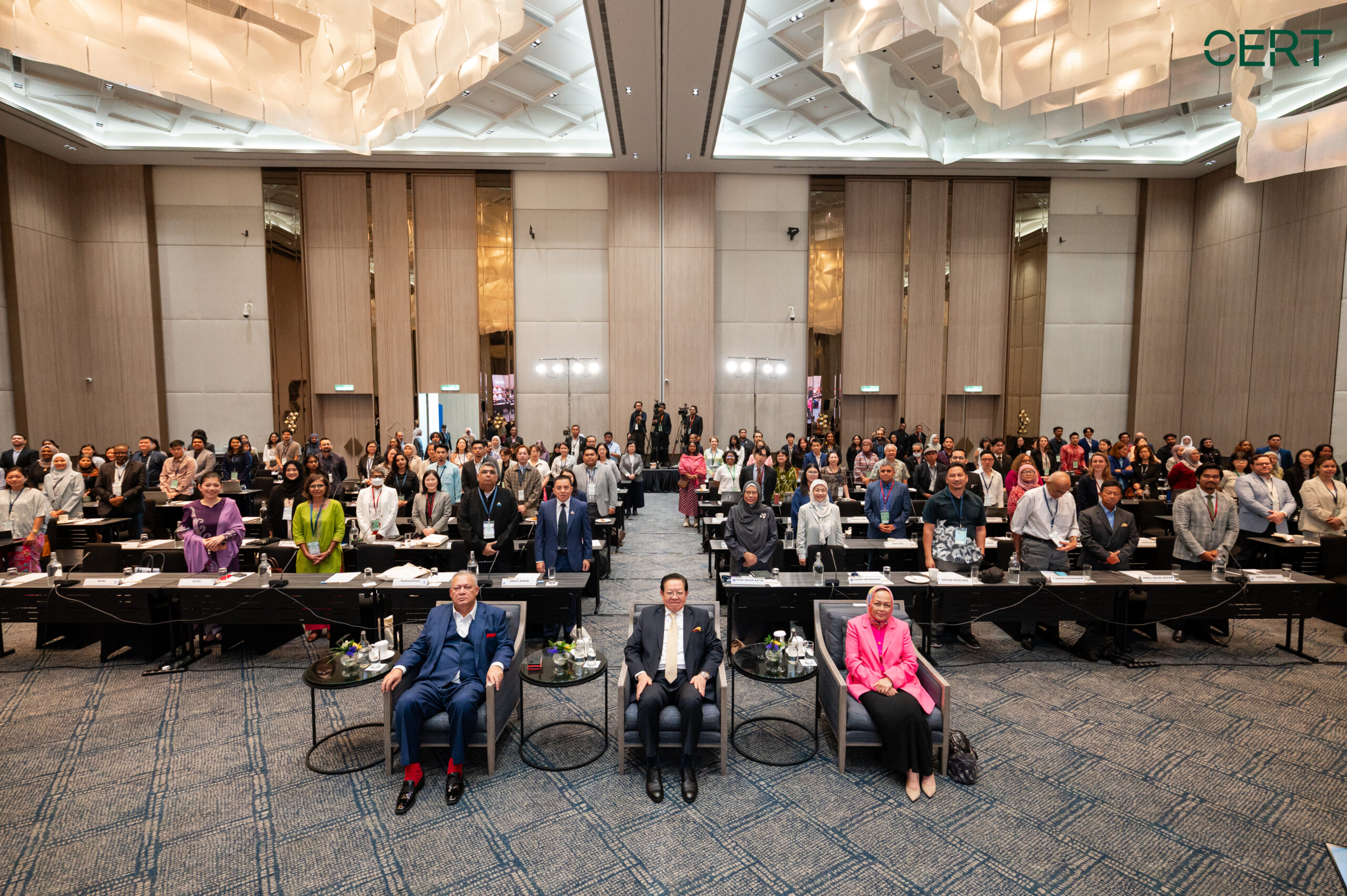
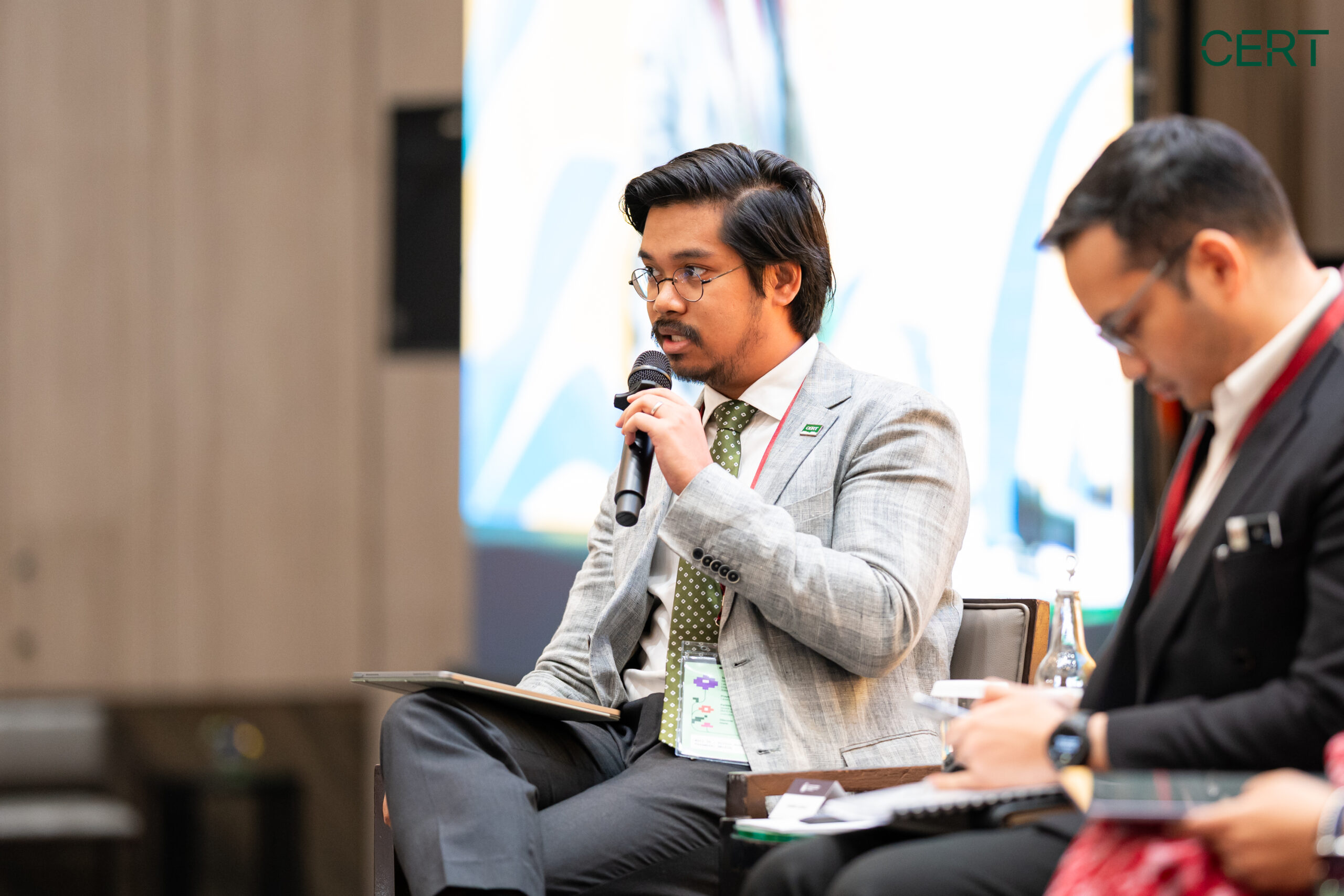
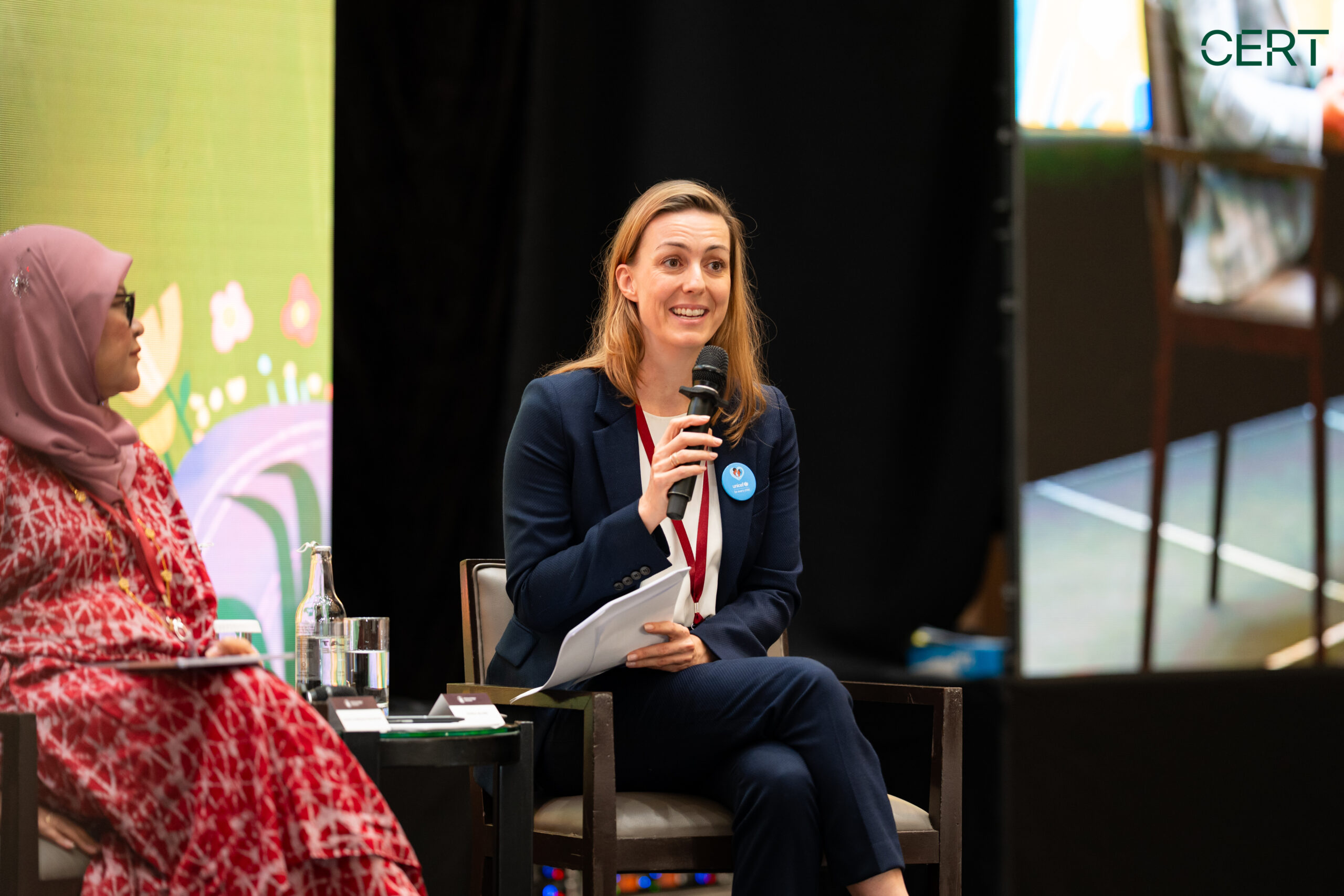
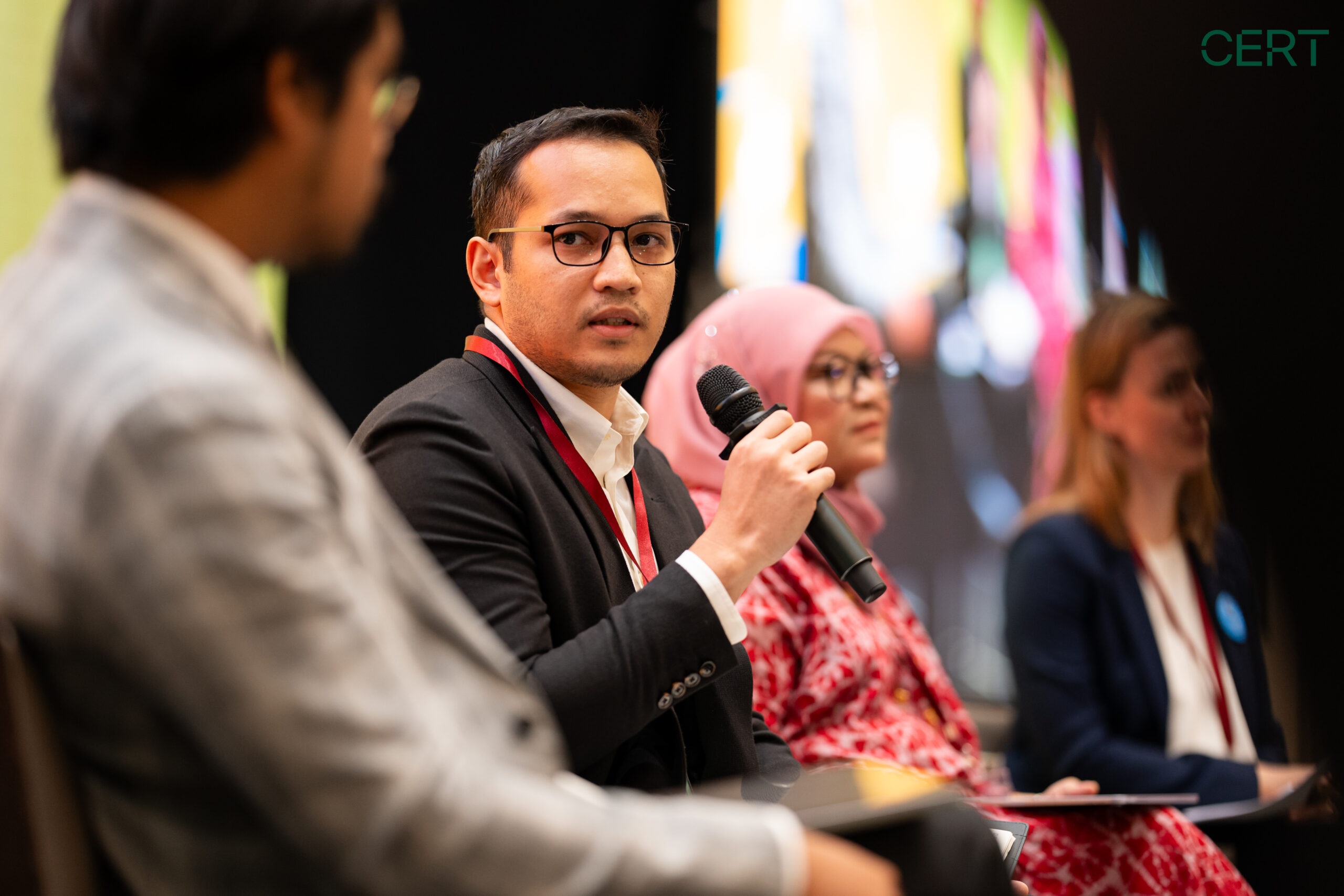
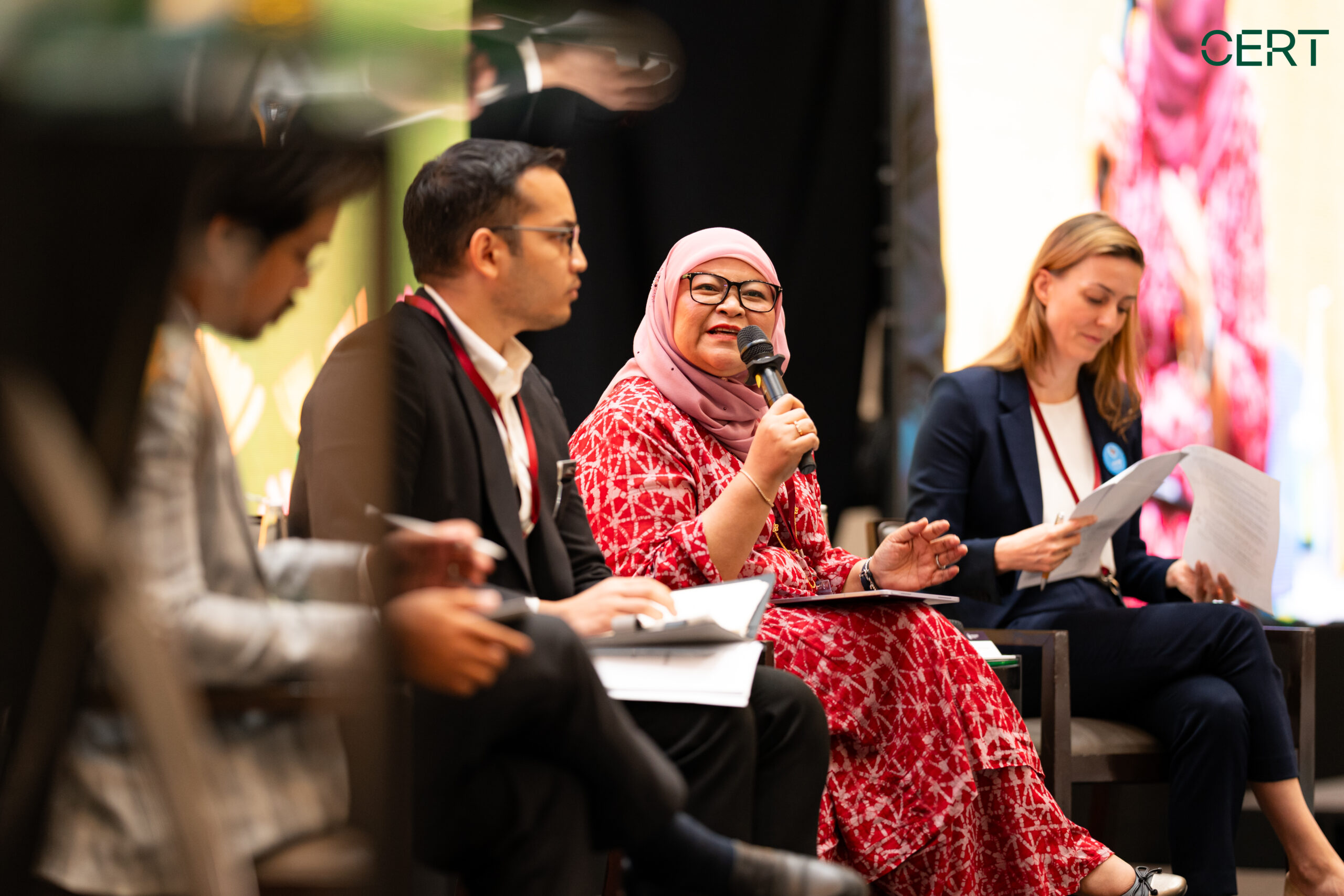
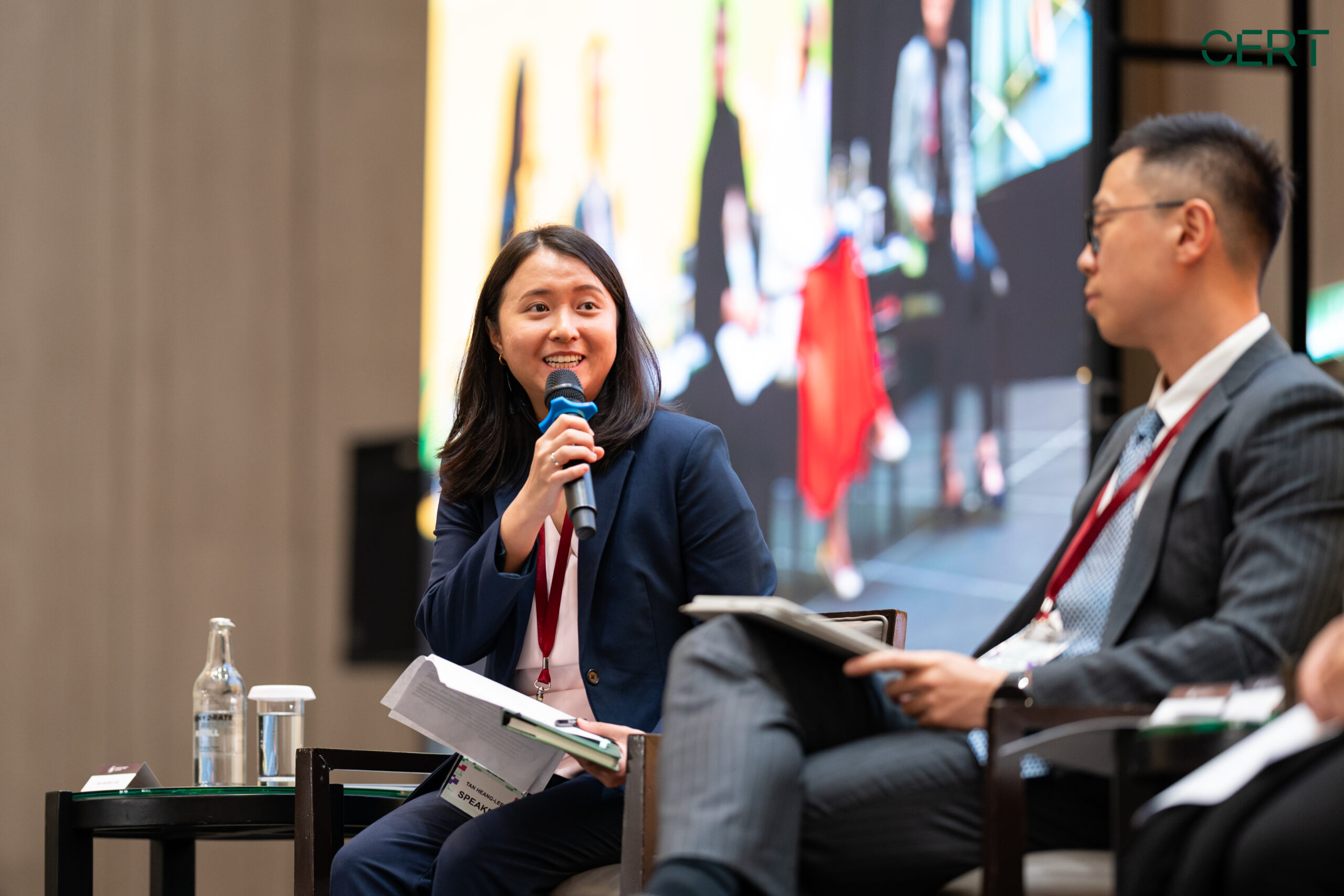
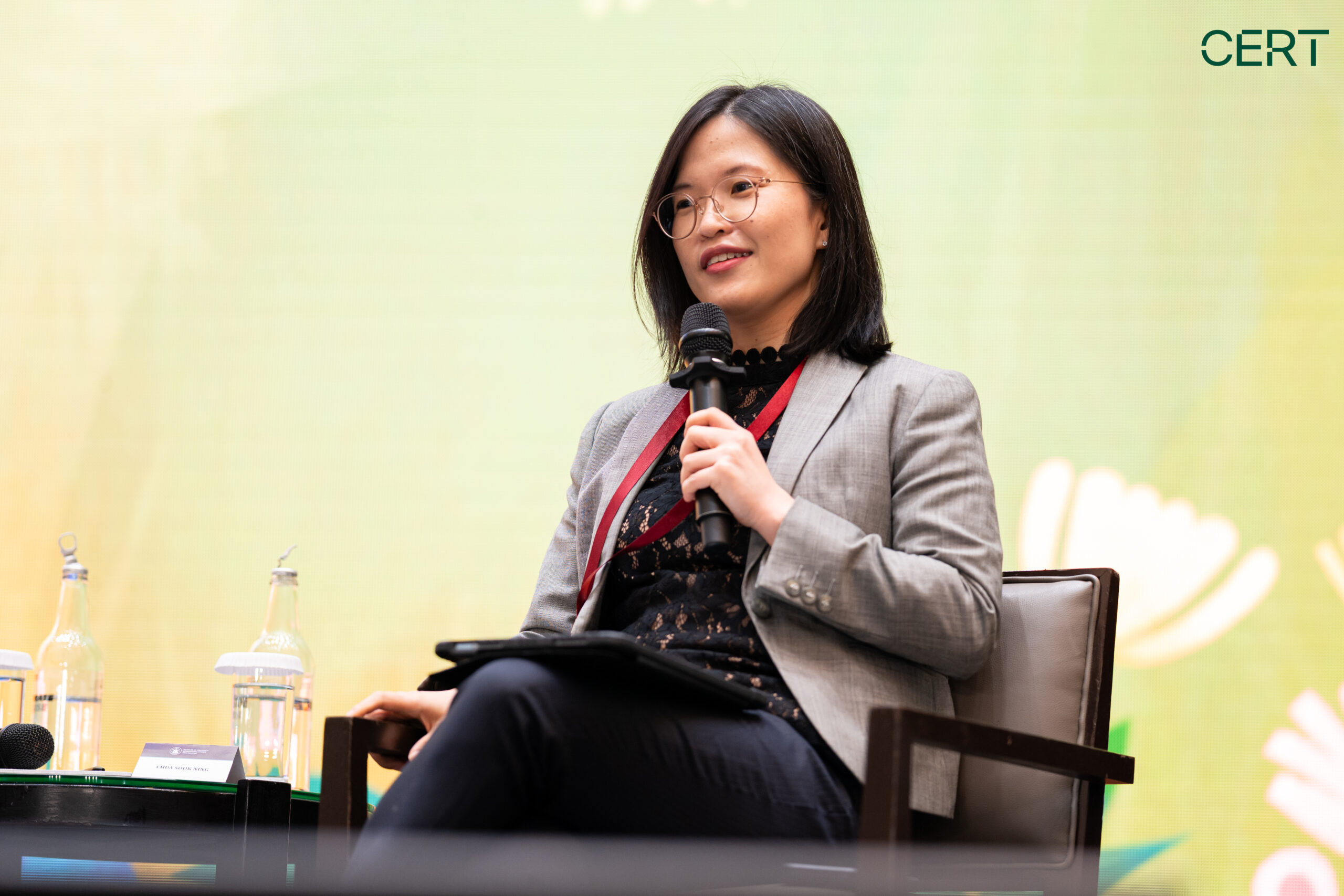
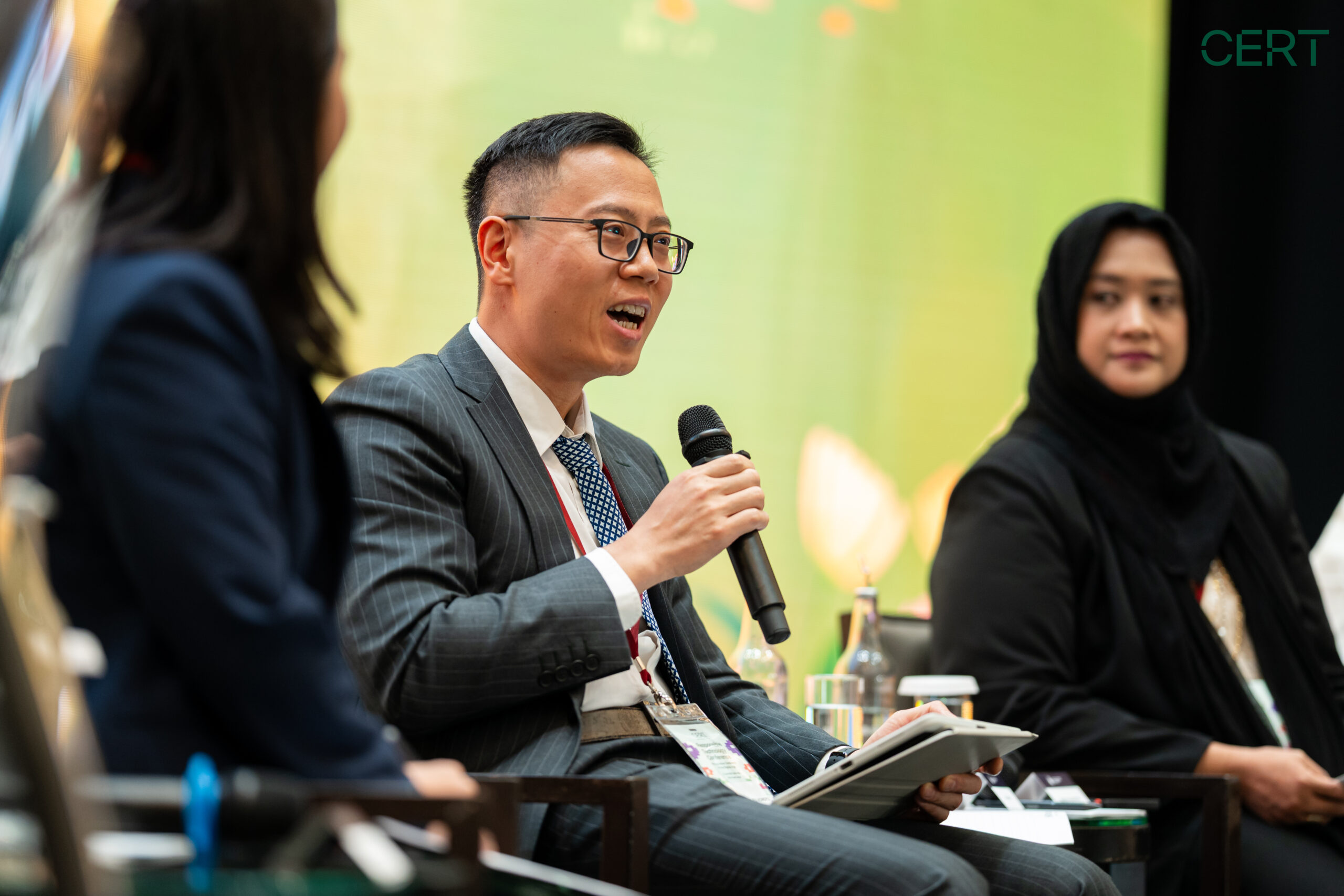
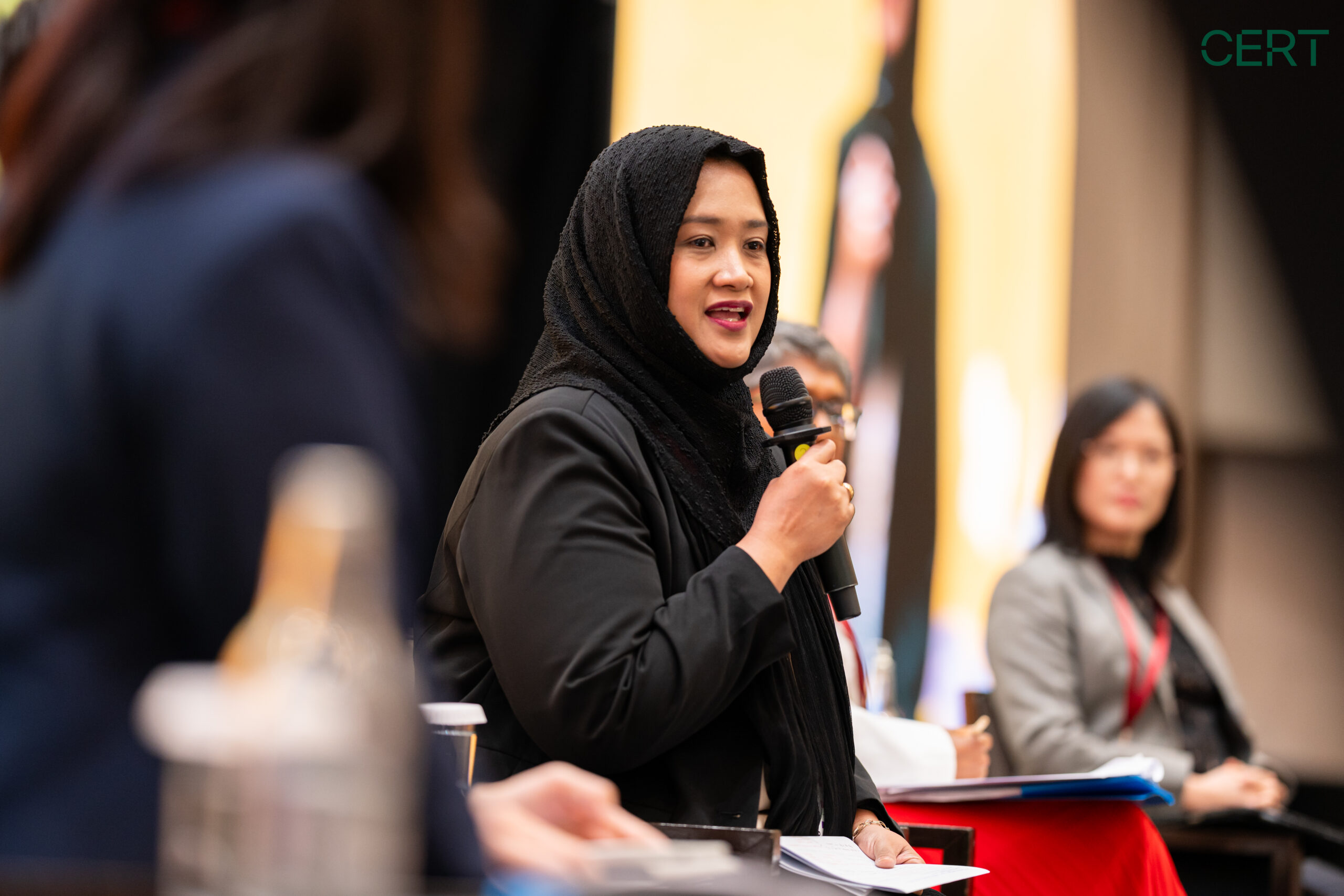
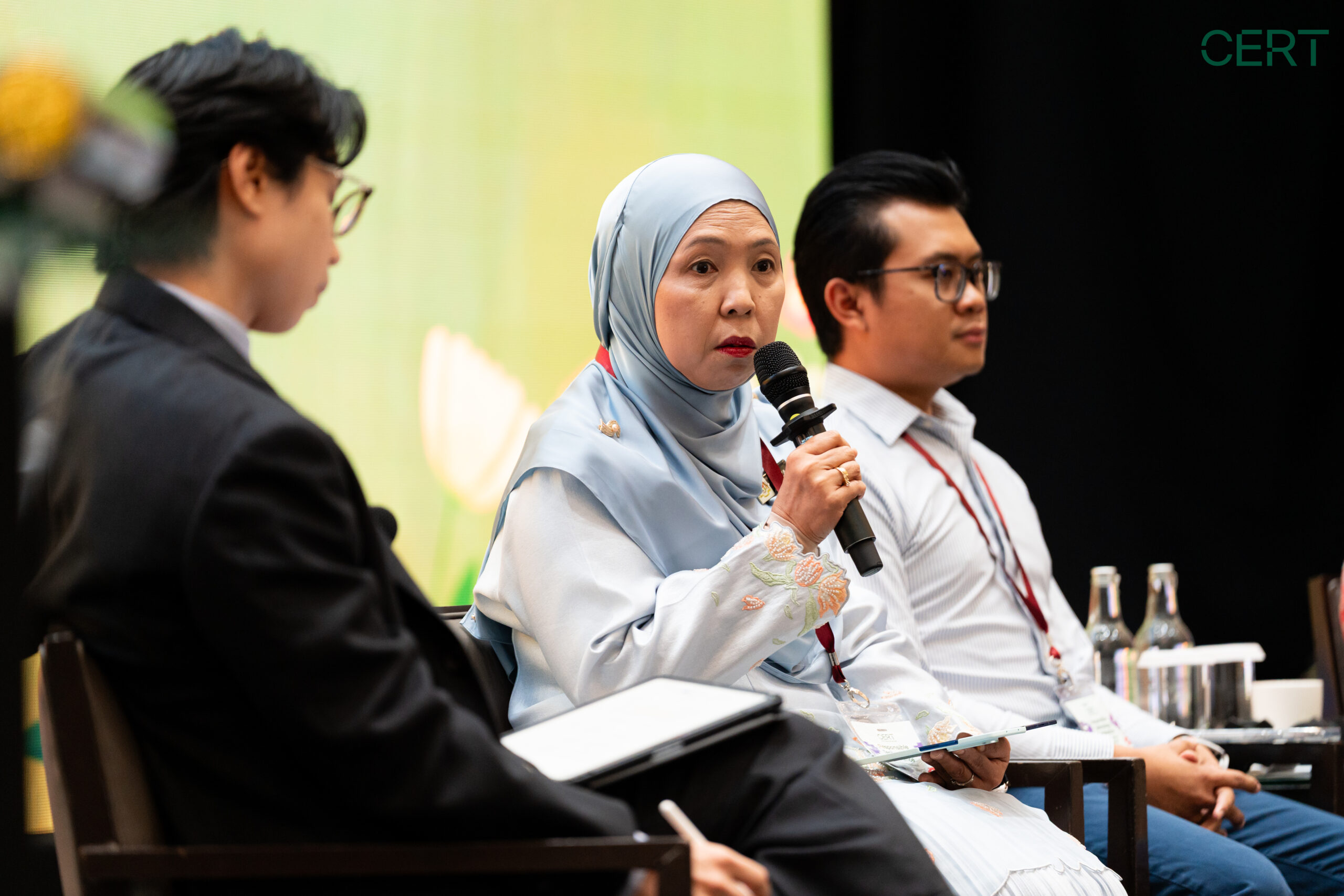
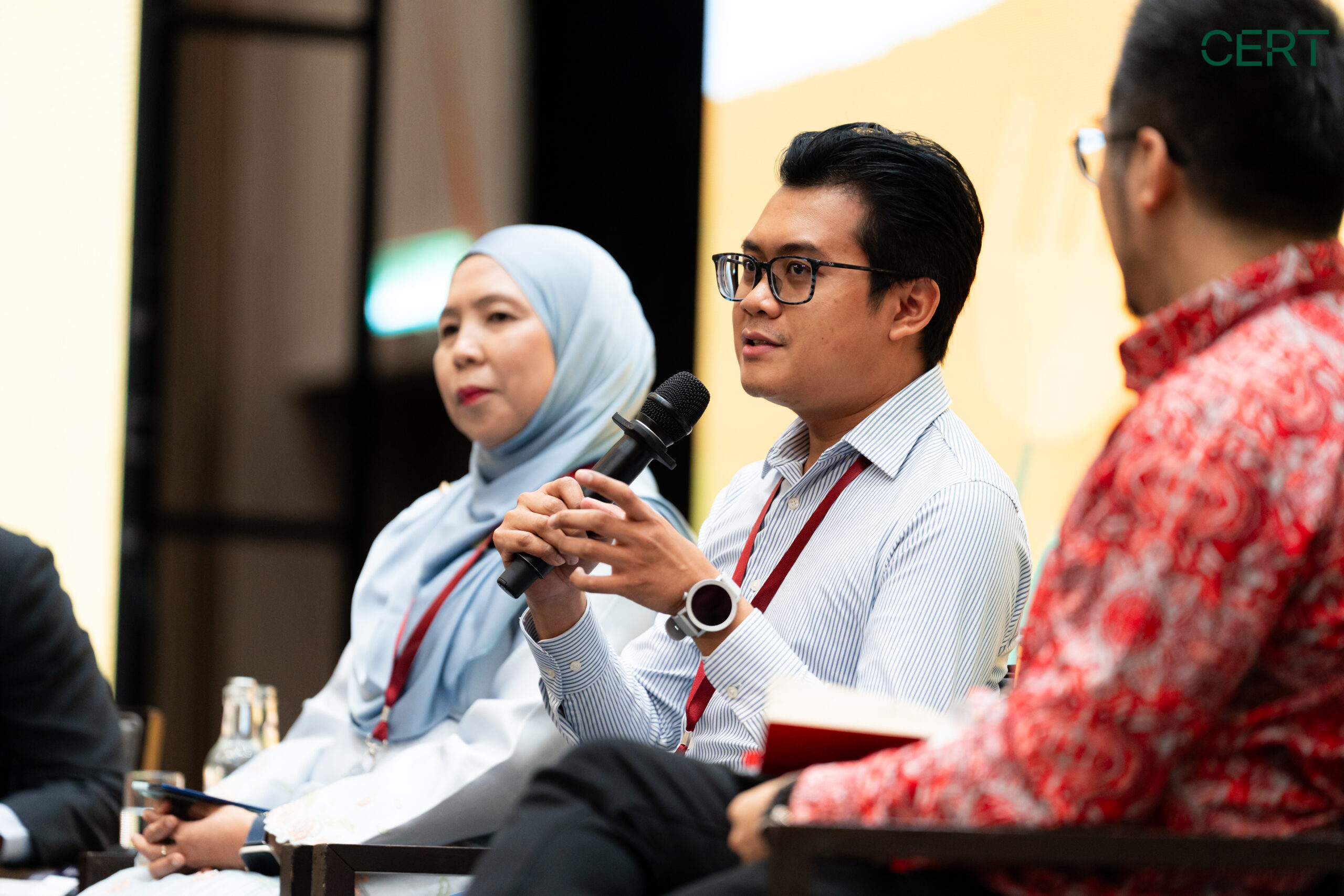
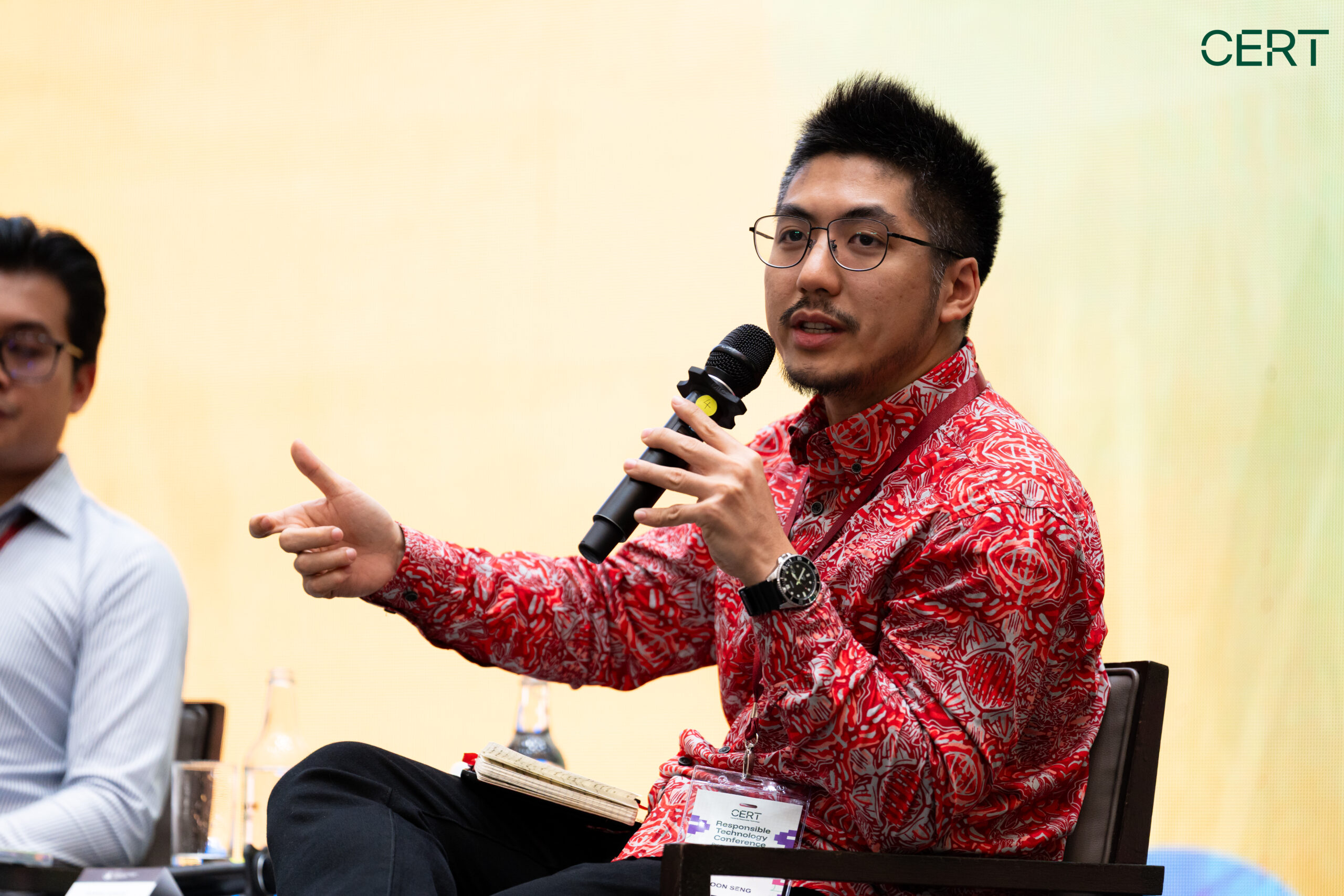
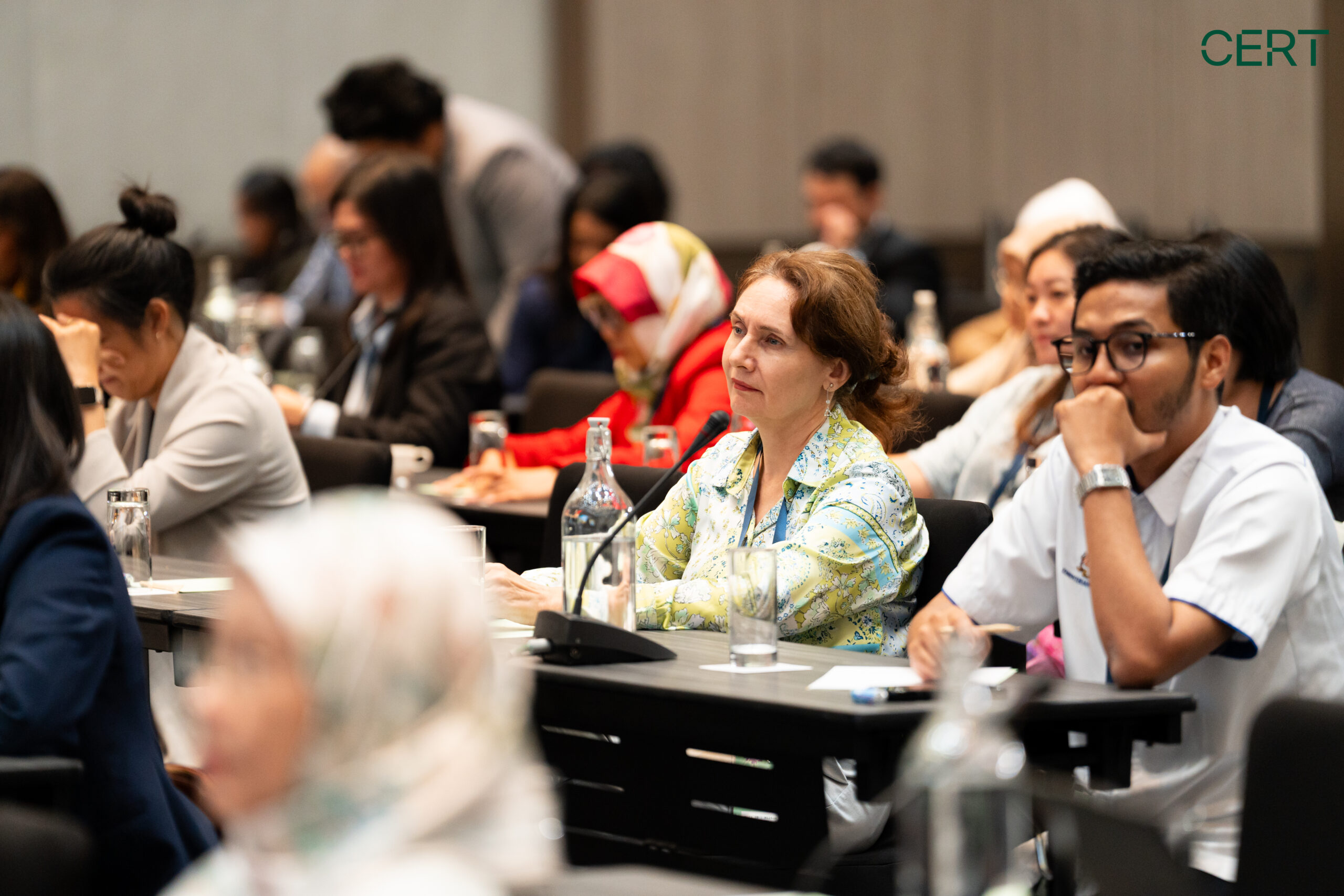
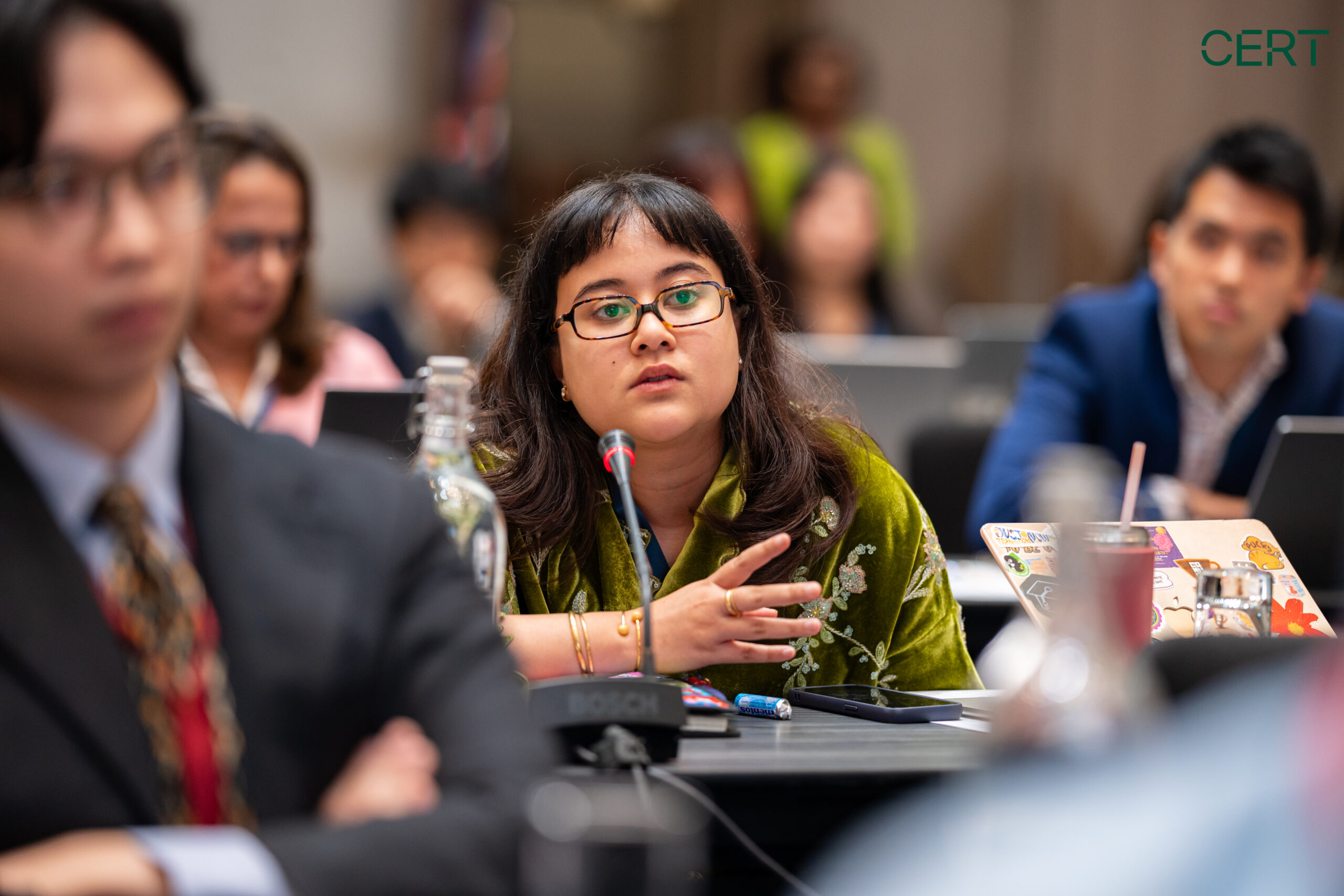
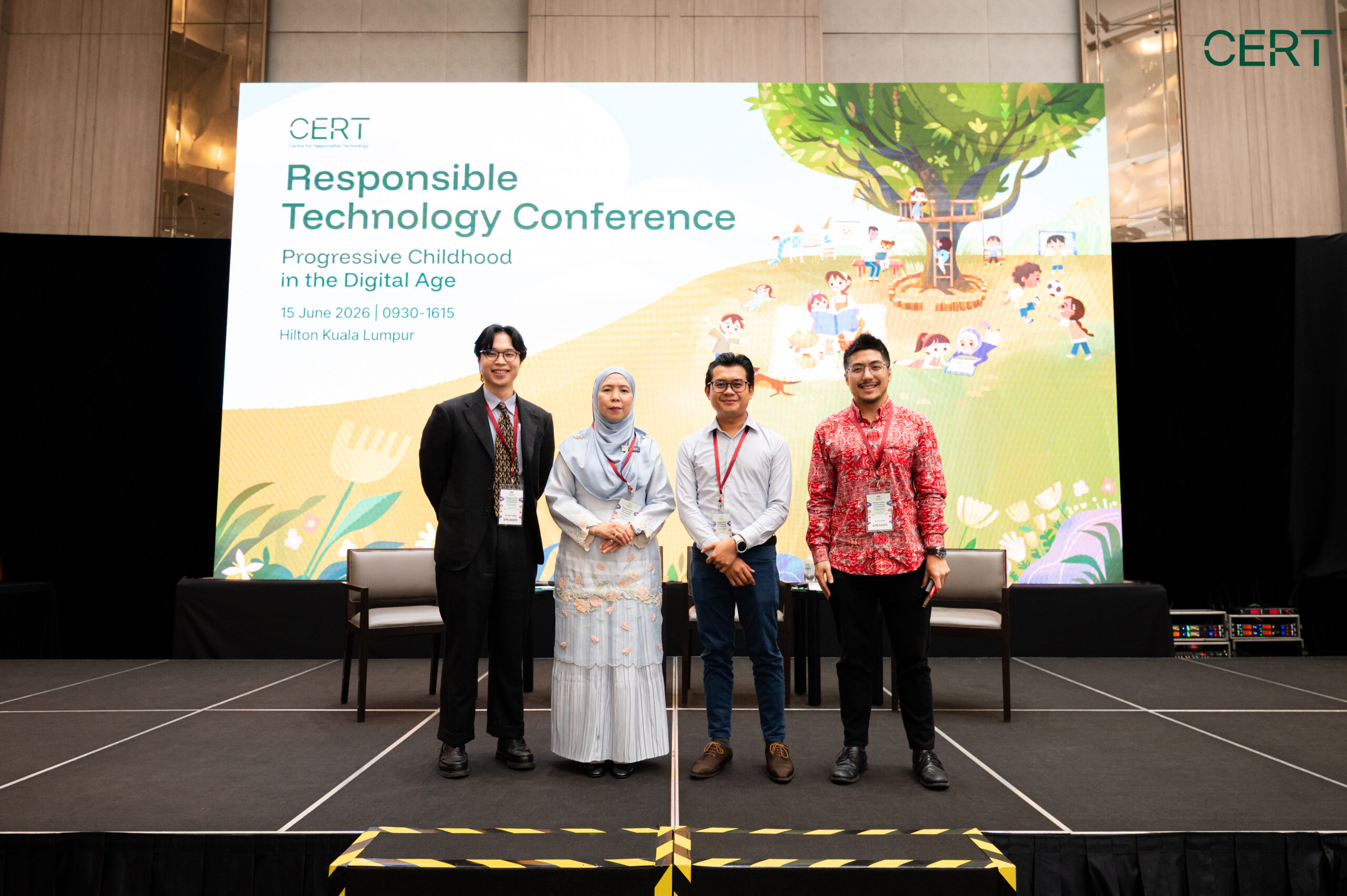
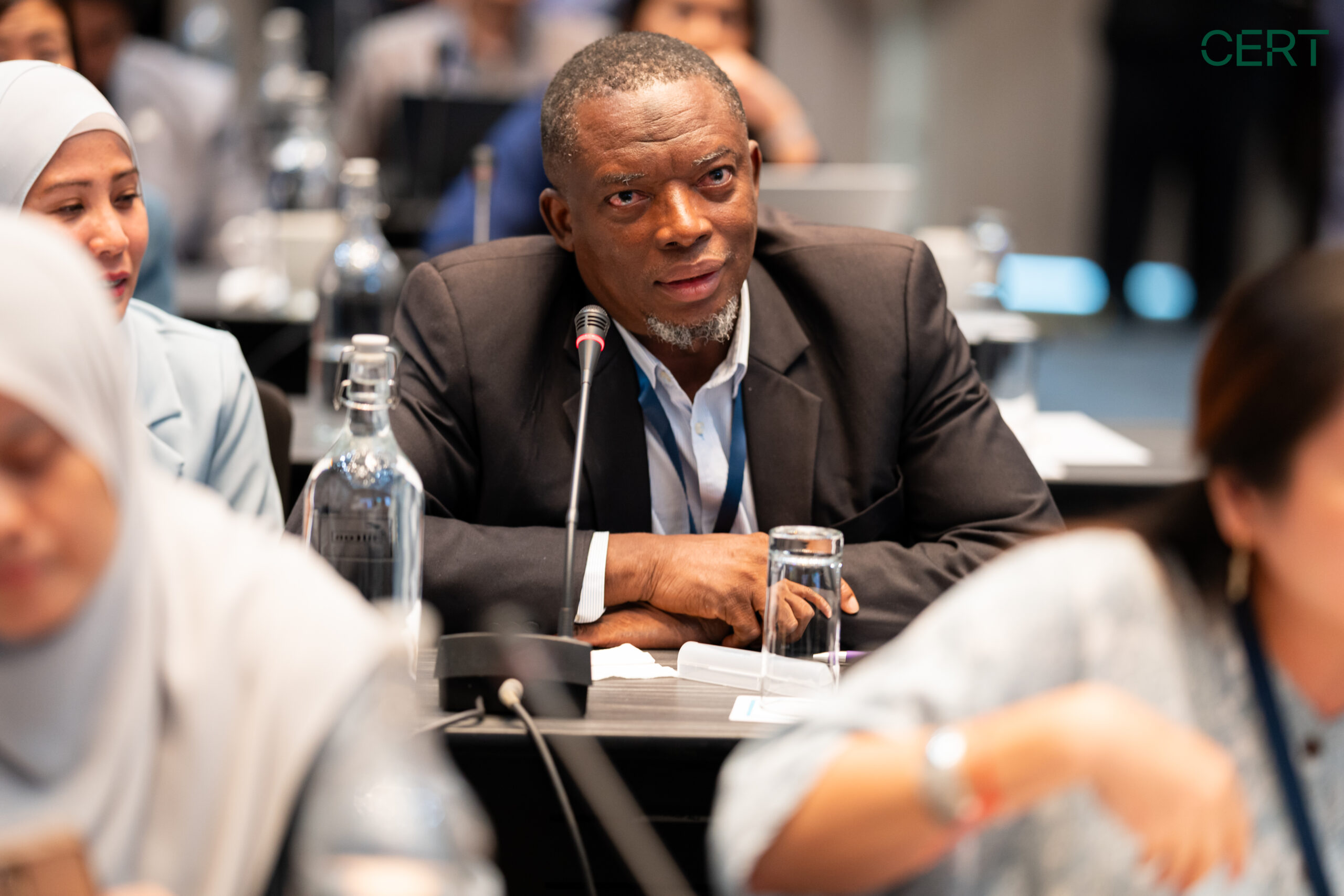
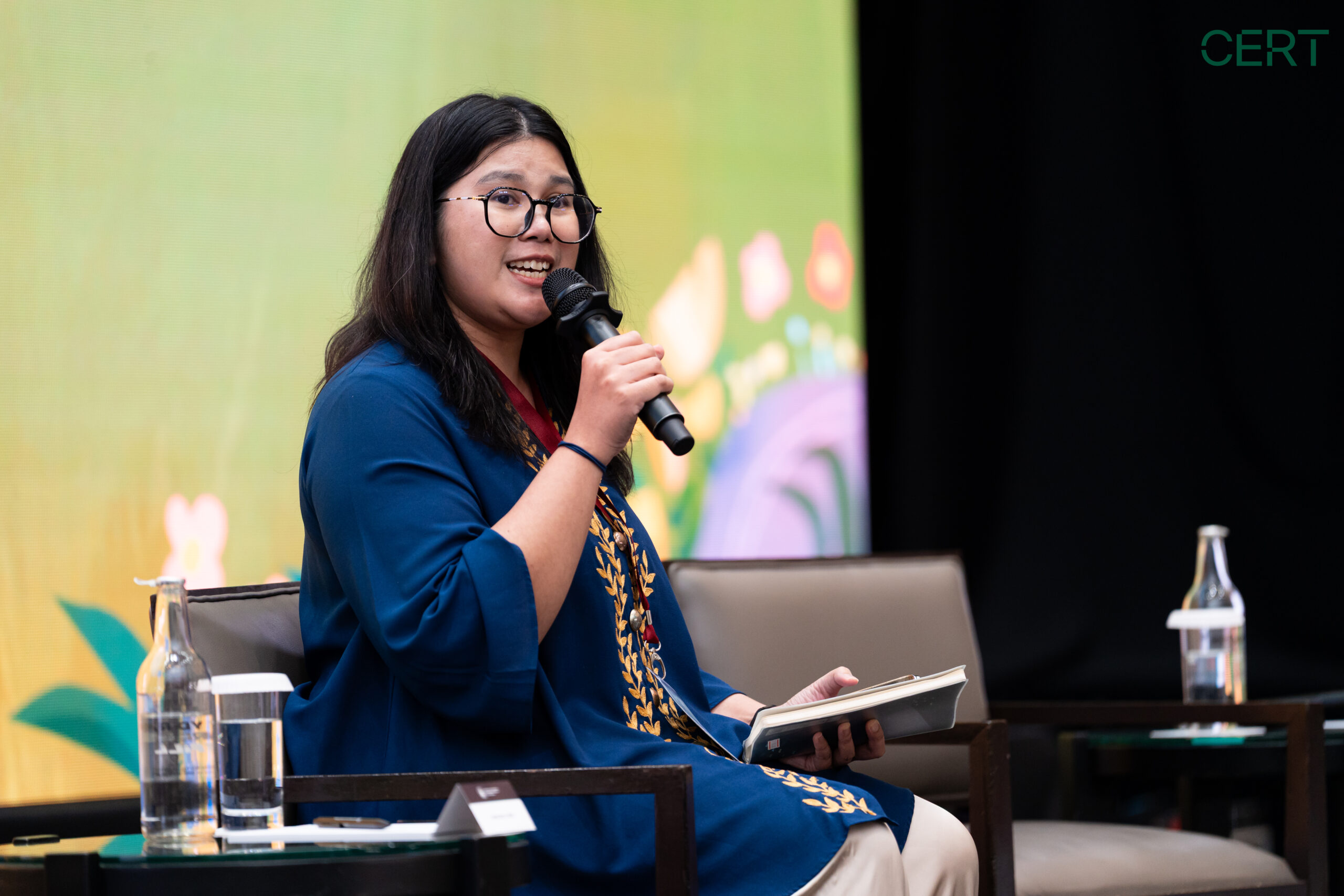
[ PROGRAMME ]
0830-0930
Registration
0930-0945
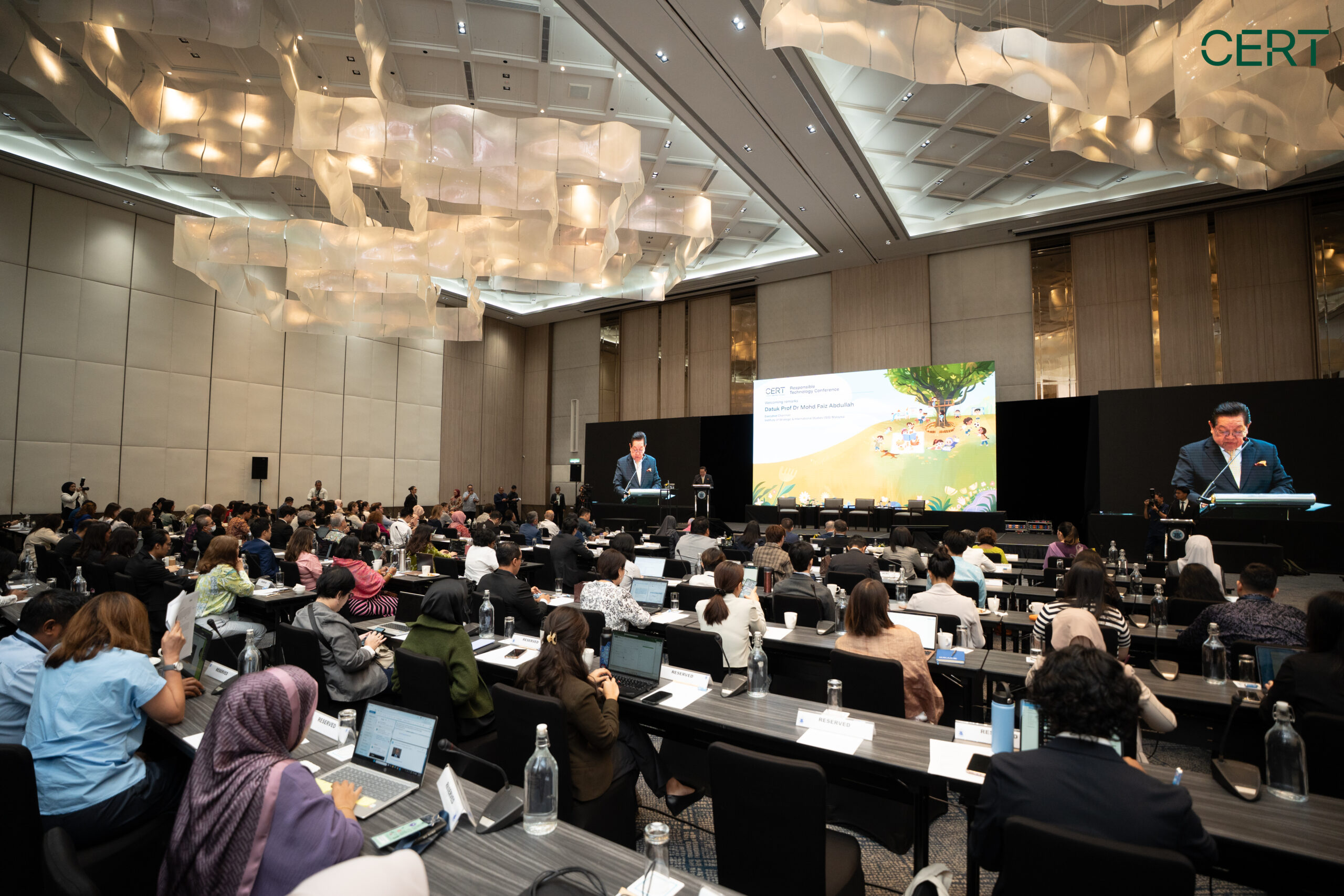
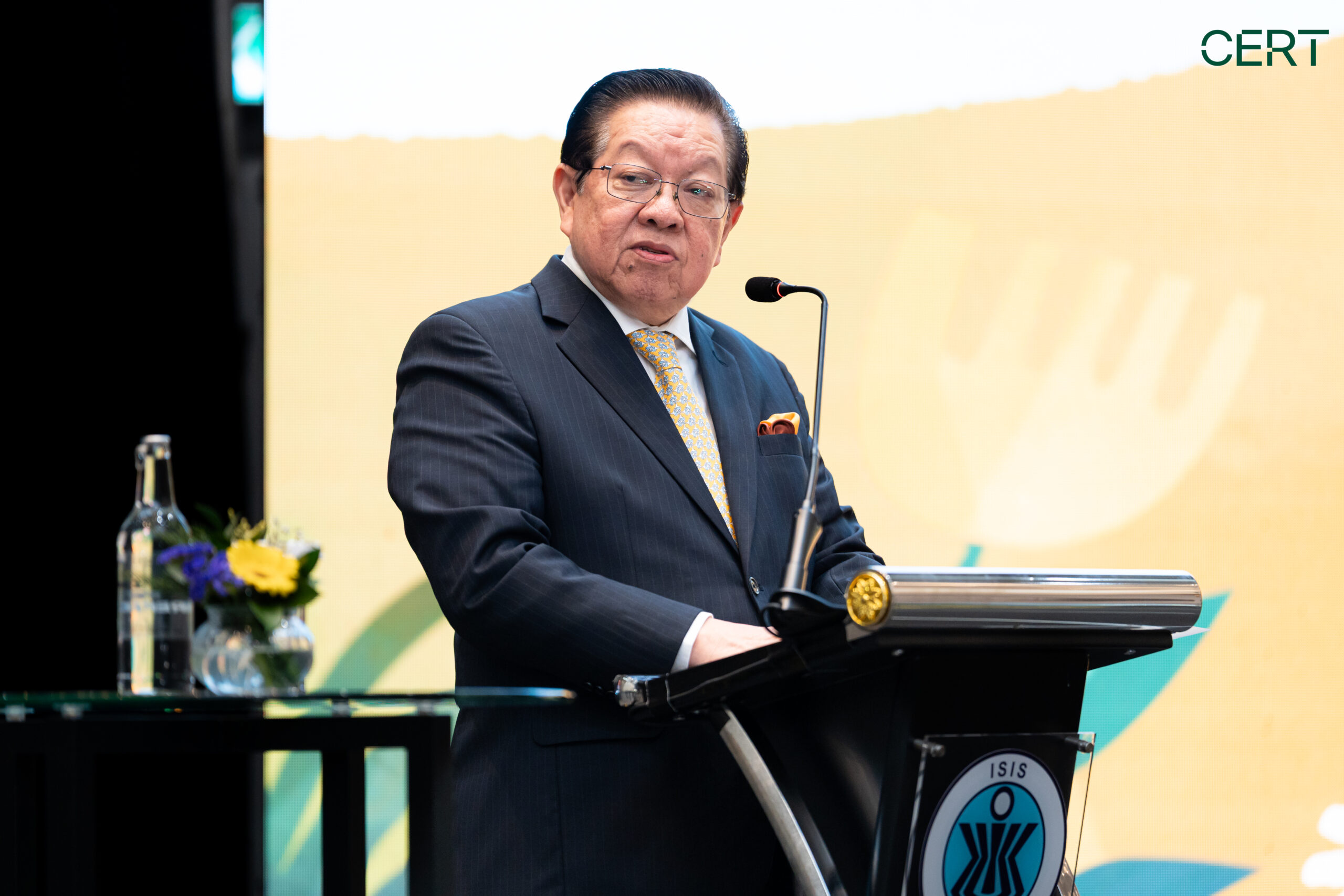
Welcoming remarks
Datuk Prof Dr Mohd Faiz Abdullah
Executive Chairman
ISIS Malaysia
0945-1015
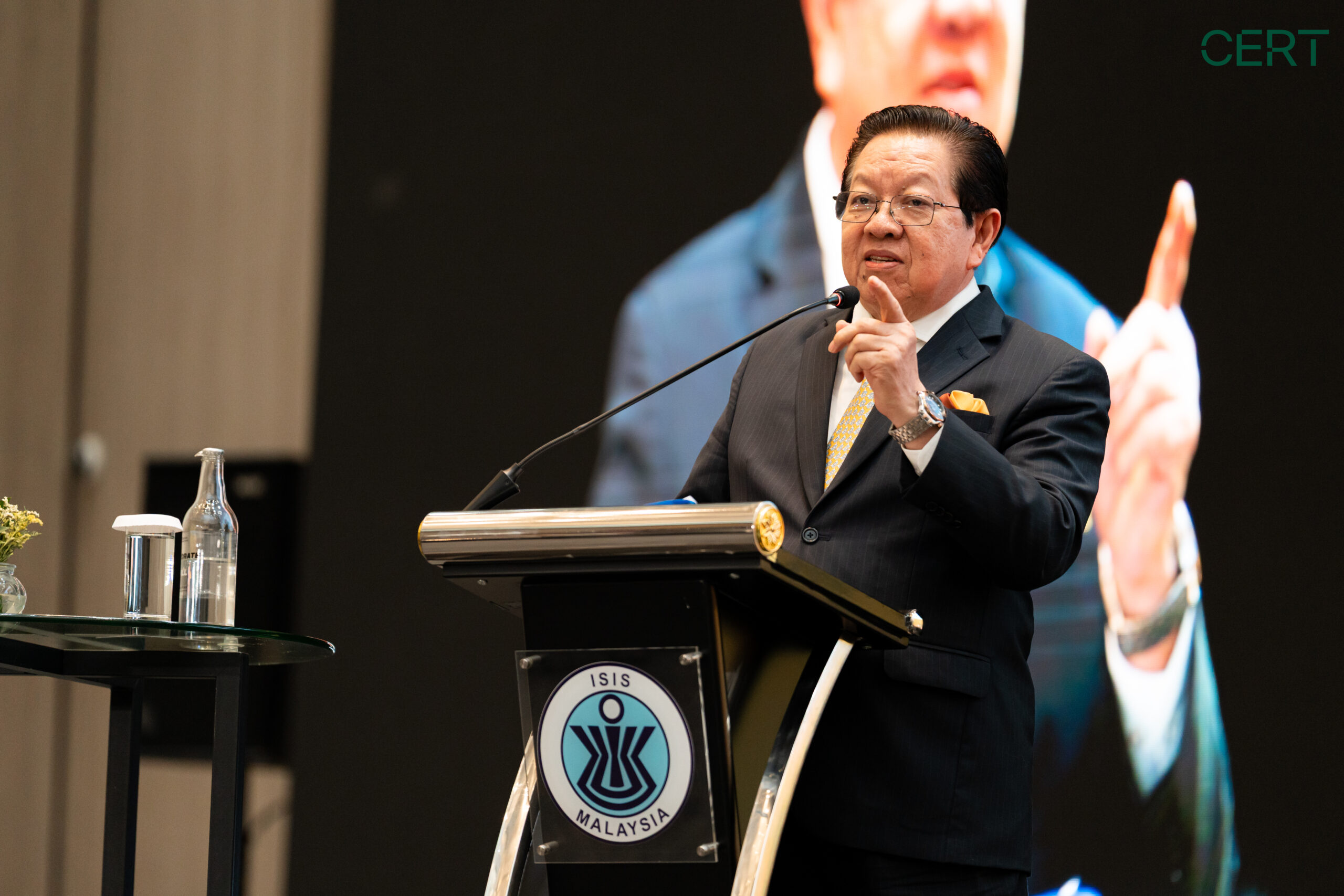
Keynote address
Tan Sri Dato’ Sri Hasnah binti Dato’ Mohammed Hashim
Chairman
Online Safety Committee
1015-1030
Break
1030-1130
Session 1: Making online spaces safer for children
Children are spending more time online which increases their direct and indirect exposure towards risks and harms. In response, decisive regulatory action has been taken through the introduction of the Online Safety Act 2025 and its Child Protection Code. This moves the needle away from reactive measures towards proactive approaches, creating sets of duties and obligations for platforms, including the need to protect child users. Six months since its coming into force, has ONSA resulted in an increase in safety standards and protection for children online? How does the proposed delay in children accessing social media platforms until they turn 16 fit into this larger puzzle? And what about other activities online – such as gaming – which do not fall within ONSA’s ambit?
Moderator
Harris Zainul
Director of Research
ISIS Malaysia
Speakers
Ali Imran
Special Functions Officer to the
Minister in the Prime Minister’s Department
(Law and Institutional Reform)
Eneng Faridah Iskandar Sastrawidjaja
Deputy Managing Director (Development)
Malaysian Communications and Multimedia Commission (MCMC)
Saskia Blume
Chief of Child Protection
Unicef Malaysia
1130-1230
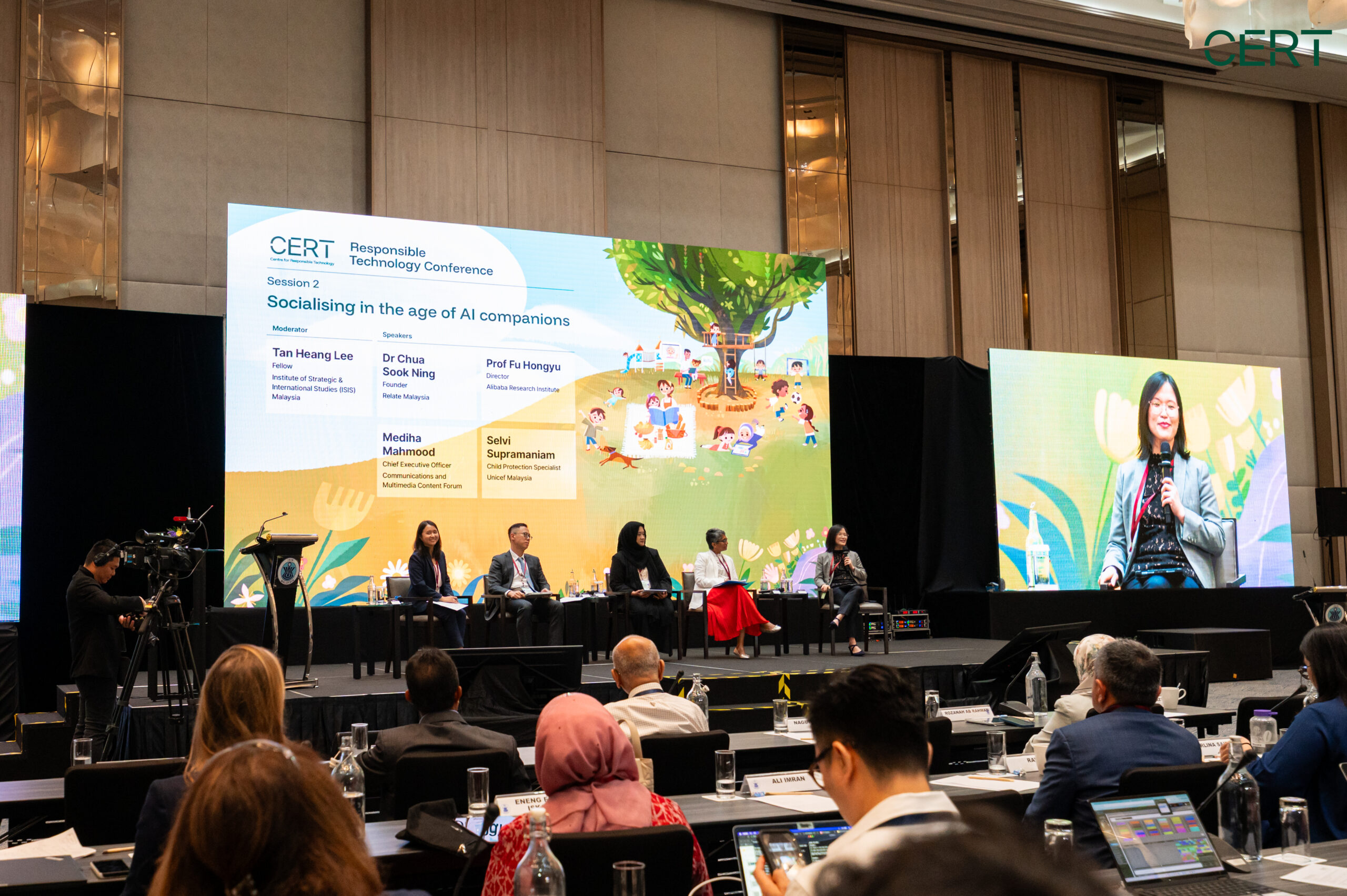
Session 2: Socialising in the age of AI companions
Artificial intelligence is no longer confined to back-end technical processes and research labs. Its applied use, in the form of AI-powered chatbots are designed to simulate companionship for its millions of users. As conversational, and in some cases emotional, partners, prolonged usage of these chatbots can result in dependency and displacement of traditional social connections. For children, what does this synthetic connection mean for their ability to form relationships in the real world? What happens when the messiness of real interactions is optimised for sycophantic affirmation? How should regulators and parents approach the topic of children using AI-powered chatbots for companionship, and are there any lessons we can draw from previous experiences with Big Tech?
Moderator
Tan Heang-Lee
Fellow
ISIS Malaysia
Speakers
Prof Fu Hongyu
Director
Alibaba Research Institute
Mediha Mahmood
Chief Executive Officer
Communications and Multimedia Content Forum
Selvi Supramaniam
Child Protection Specialist
UNICEF Malaysia
Dr Chua Sook Ning
Founder
Relate Malaysia
1230-1400
Lunch and prayer
1400-1500
Session 3: Evaluating technology in the classroom
Technology was promised to be the great equaliser for education, simultaneously increasing the quality of learning materials, allowing for personalisation, and improving accessibility. To realise this potential, the government invested heavily in “edutech” – with resources allocated to building up and deploying both software and hardware. The Covid-19 pandemic accelerated this trend which shows no sign of bucking with the mainstreaming of AI in education. Yet, has all this resulted in greater learning outcomes for children in the classroom? How does the Malaysia Education Blueprint 2026-35 balance between technological adoption and risks such as cognitive offloading and stunting? And how can children truly benefit from edutech while mitigating risks?
Moderator
Calvin Cheng
Director
ISIS Malaysia
Speakers
Aniza Kamarulzaman
Director
Educational Resources and Technology Division
Ministry of Education
Danial Azizan
Country Lead
Google for Education
Chan Soon Seng
Chief Executive Officer
Teach For Malaysia
1500-1600
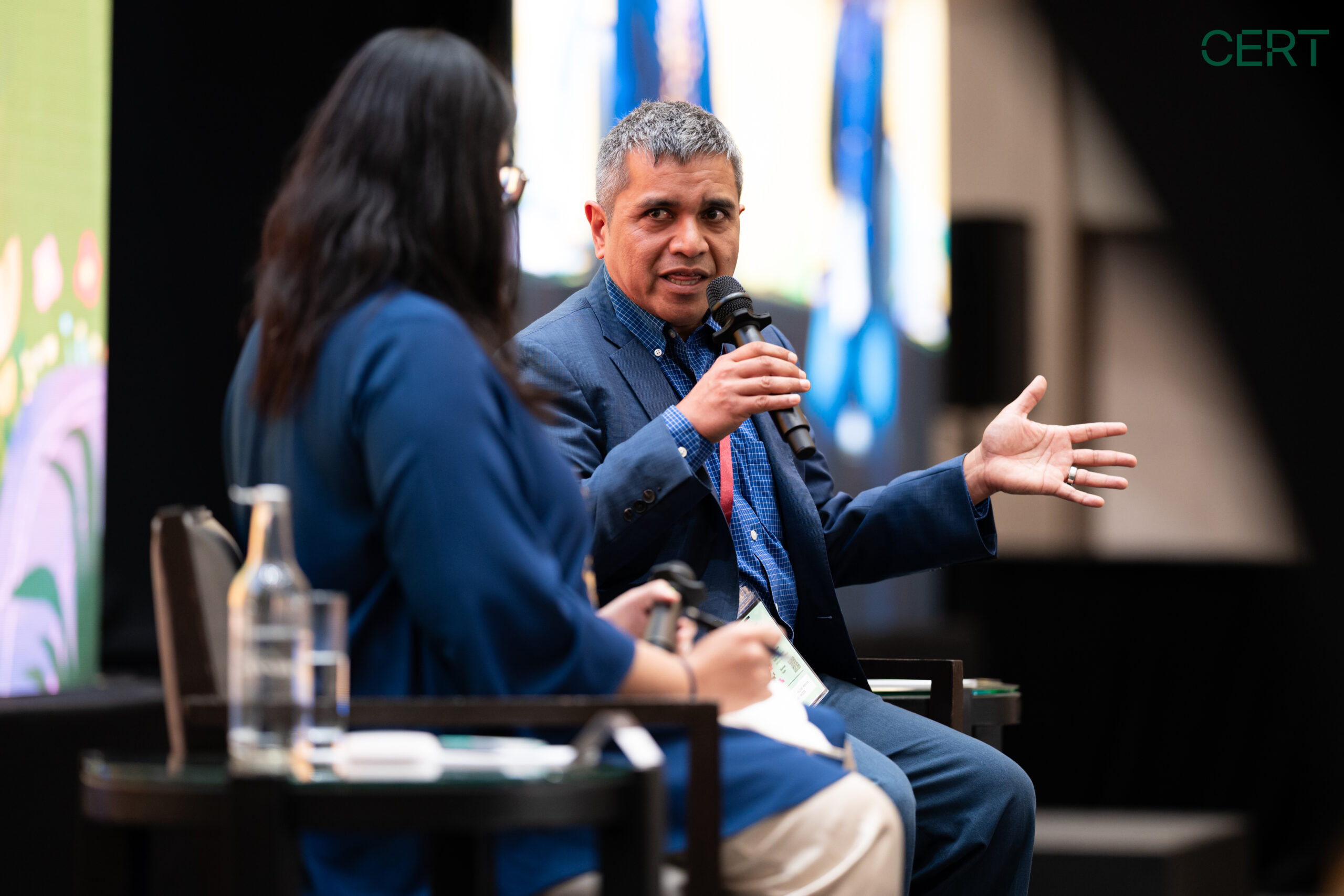
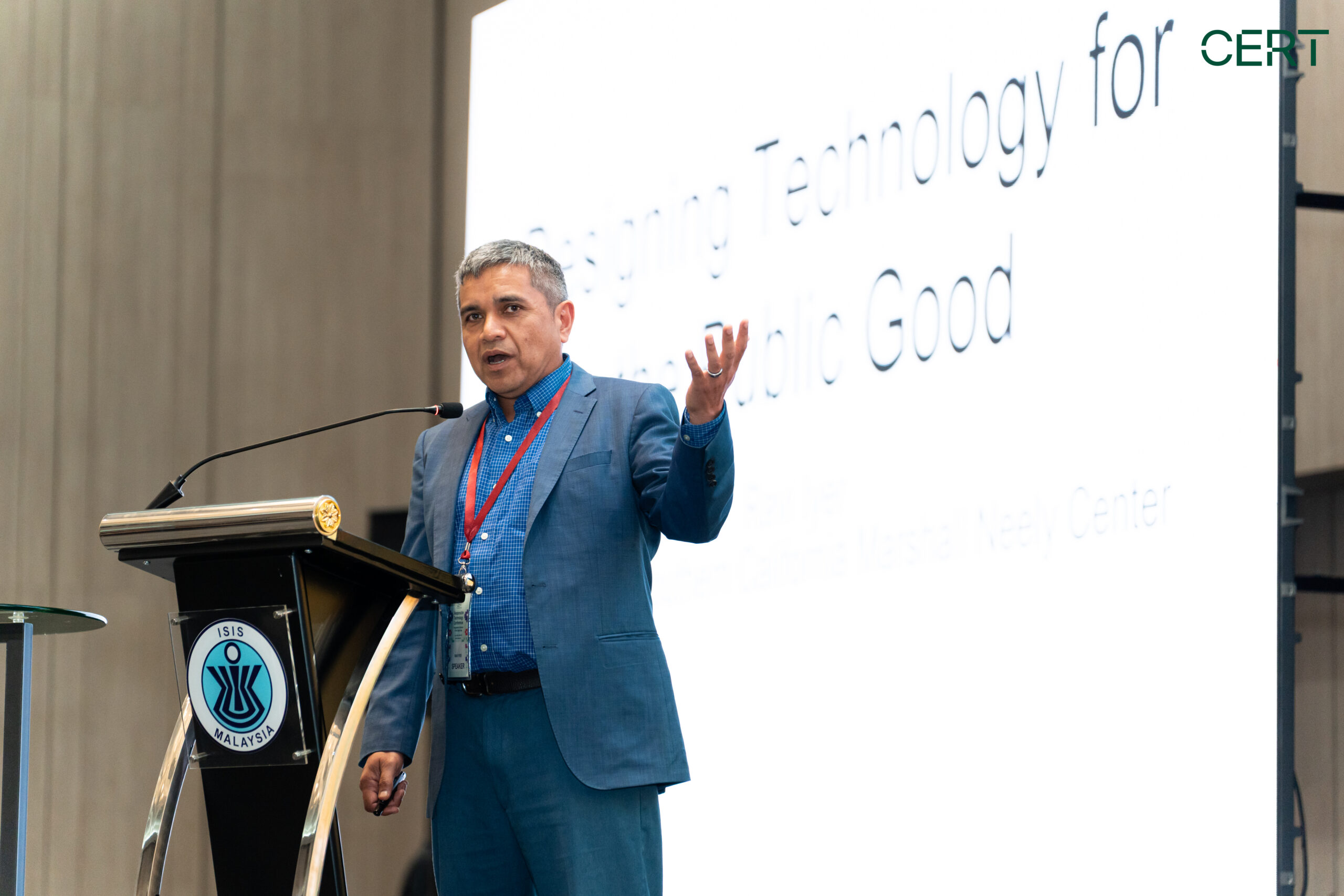
Session 4: Designing technology for the public good
As digital technologies increasingly shape civic life, questions of how they serve—or undermine—the public interest have become more urgent. Policymakers face growing pressure to respond to online harms, yet some regulatory approaches have led to harmful externalities. Based on his work in partnership with Jonathan Haidt and the Anxious Generation team, Ravi Iyer will discuss various regulatory approaches that have or have not worked to mitigate harms, with a particular focus on children’s online safety. He will also show how product design, platform architecture and incentive structures can be reoriented towards social value, and how thoughtful regulation can measurably facilitate this process, including in the Malaysian context.
Moderator
Farlina Said
Director
ISIS Malaysia
Speaker
Ravi Iyer
Managing Director
Neely Center for Ethical Leadership and Decision Making
1600-1615
Closing remarks
Datuk Prof Dr Mohd Faiz Abdullah
Executive Chairman of ISIS Malaysia